Buy architekturfotografie.eu ?
We are moving the project
architekturfotografie.eu .
Are you interested in purchasing the domain
architekturfotografie.eu ?
domain@kv-gmbh.de · 0541-91531010
Buy architekturfotografie.eu ?
What is the difference between interior architecture and interior design?
Interior architecture focuses on the structural and spatial elements of a space, including the layout, flow, and functionality. It involves designing and coordinating the interior structure of a building, such as walls, ceilings, and floors. On the other hand, interior design focuses on the aesthetics and decorative aspects of a space, including furniture, color schemes, and accessories. It involves creating a cohesive and visually appealing environment that reflects the client's needs and style preferences. While interior architecture deals with the physical structure of a space, interior design focuses on the visual and decorative elements. **
What is better, product design or interior architecture?
The answer to whether product design or interior architecture is better ultimately depends on personal interests and career goals. Product design involves creating tangible objects that serve a specific function, while interior architecture focuses on designing interior spaces that enhance the user experience. Both fields offer unique opportunities for creativity and innovation, so it is important to consider which aligns more with your passions and strengths. Ultimately, the decision between product design and interior architecture should be based on individual preferences and career aspirations. **


Similar search terms for Permission
Top-Angebote
Products related to Permission:
-
HarperCollins You Can Just Do Things: How To Stop Asking Permission And Start Making Things Happen - Non Fiction - PaperbackTitle:. You Can Just Do Things: How To Stop Asking Permission And Start Making Things Happen Format: Paperback Overview:. Packed with direct, practical guidance, You Can Just Do Things invites you to move from hesitation to momentum. The book argues that real progress starts when you stop waiting for the perfect moment, permission from others, or a flawless plan, and instead take small, visible steps toward your goal today. Its author writes in a crisp, friendly voice that respects your time and your ambitions, offering a sequence of simple, repeatable actions you can apply to virtually any project—whether you’re building a side hustle, launching a creative project, or pushing forward on a work assignment you've been avoiding. You'll find a mix of real-world examples, bite-sized exercises, and prompts designed to spark your judgment-free experimentation. The core rhythm is clear: identify a micro-risk, take a single concrete step, observe the outcome, iterate. The book also delves into mindset shifts—taming perfectionism, embracing imperfect progress, and choosing momentum over hesitation. By the end, readers come away with a toolkit for turning ideas into tangible results, plus renewed confidence that they can influence their own trajectory without waiting for approval. What Makes This Book Stand Out:. What sets this book apart is its practical, action-first approach to a universal problem: getting stuck in planning mode. Rather than abstract motivation, it delivers a replicable framework for progress. Each chapter distills a principle into a short, readable segment, followed by concrete steps you can apply immediately. The voice blends encouragement with blunt honesty, acknowledging that starting is often the hardest part and that tiny bets compound into meaningful outcomes. The guidance sits firmly in everyday contexts—work tasks, personal projects, and creative pursuits—so you can adapt the lessons to your life. Across the pages, the throughline is consistent: permission to begin now, room to learn from small experiments, and permission to fail forward as part of the process. This blend of clarity and practicality makes the advice feel doable and immediately useful. Who This Book Is Perfect For:. Perfect for aspiring founders, freelancers, students, and anyone who feels overwhelmed by big goals, this book speaks to busy people who want results without a heavy playbook. It’s ideal for readers who value efficiency, practical strategies, and a no-nonsense voice. If you’ve spent too long planning, procrastinating, or asking for permission to start, this is your blueprint for action. It also makes a thoughtful gift for graduates, colleagues taking on new projects, or someone launching a side hustle, offering accessible, repeatable steps to reclaim agency and begin moving forward today. Key Highlights:. Action-first approach that turns ideas into measurable steps. Momentum-building micro-commitments that deliver quick wins. Practical strategies to...16,99 £*Shipping: 2,99 £Secure redirect to the provider
-
Uplift Picks Newspaper Office Building Architecture Building Blocks Set Compatible With Major Brick Brands Newspaper Office Building Architecture Building Blocks Set Compatible With Major Brick BrandsBring creativity and architectural charm to life with this detailed building blocks set inspired by a modern newspaper office building. Designed for builders who enjoy thoughtful construction and displayworthy results, this set blends challenge with...141,00 $*Shipping: 0,00 $Secure redirect to the provider
-
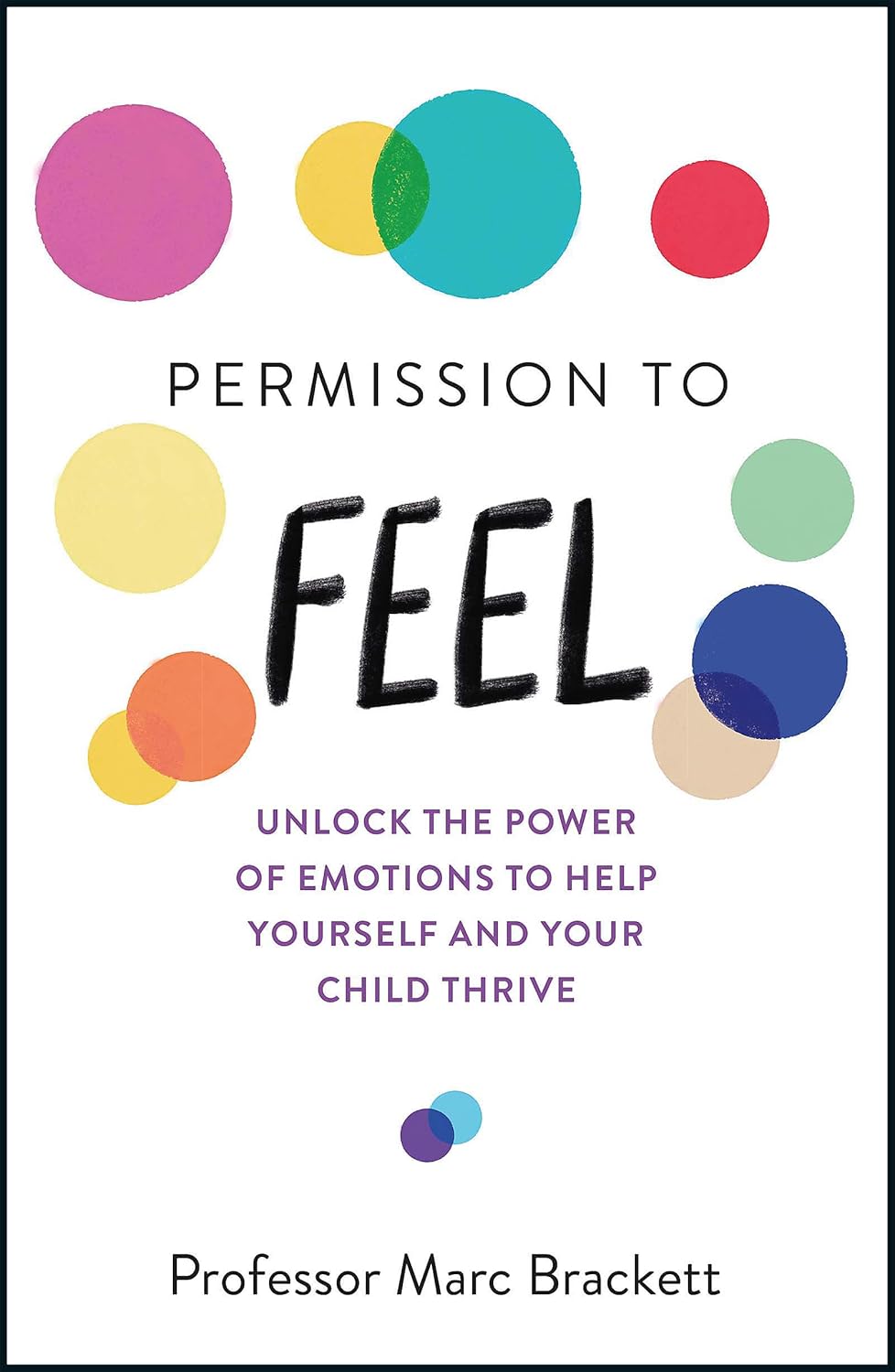
Quercus Permission to Feel by Marc Brackett - Paperback - Adult Non Fiction Emotional Intelligence & Psychology - Yale RULER Method Self-Help BookPermission to Feel is a guide to emotional intelligence by Marc Brackett, built on 25 years of research at the Yale Center for Emotional Intelligence. Brackett introduces his RULER method, a five-step framework for recognising, understanding, labelling, expressing, and regulating emotions. This book is written for parents, teachers, and anyone wanting to understand their own feelings better. It blends hard science with a personal story, offering practical tools that can help families communicate, cope with stress, and support one another. Marc Brackett draws on his own childhood experience of bullying and emotional neglect to explain why so many of us grow up unable to name or manage what we feel. He argues that emotional skills are learnable, not innate gifts, and that wellbeing depends on developing them properly. The book traces Brackett's path from a struggling child to a leading expert in emotional intelligence, providing a relatable and accessible guide to emotional wellbeing.23,99 £*Shipping: 2,99 £Secure redirect to the provider
-
Various 100 Little Knitted Gifts To Make (Architecture & Photography) - Non Fiction - PaperbackTitle:. 100 Little Knitted Gifts to Make (Architecture & Photography) Condition: BRAND NEW. Format: Paperback Overview:. 100 Little Knitted Gifts to Make (Architecture & Photography) is a charming invitation to turn everyday yarn into tiny treasures that celebrate design, detail, and direction. This paperback compendium gathers 100 quick, satisfying knitting patterns that produce thoughtful gifts you can finish in a weekend or even a single rainy afternoon. Each project is carefully scaled for charm rather than complexity, from miniature cushions and keychain ornaments to study-worthy desk ornaments and micro camera straps that nod to architectural lines and cityscapes. The Architecture & Photography framing is not merely a theme—it informs pattern shapes, color palettes, and finishing touches, so every finished piece feels cohesive with a modern, design-forward aesthetic. Expect clear, concise instructions, gauge guidance, suggested yarn ranges, and step-by-step photos that make planning your project straightforward. The book also offers practical tips on choosing materials, customizing colors, and packaging gifts so your handcrafted knits arrive ready to amaze. Small in size, big in impact, these 100 projects are ideal for gift-givers, hobby knitters seeking quick wins, and anyone who loves the idea of a handmade, photo-inspired keepsake. What Makes This Book Stand Out:. Where many knitting manuals focus on large projects, this book leans into small, highly shareable makes that look impressive yet knit quickly. Architecture & Photography as a motif invites pattern designers to explore geometric shapes, arches, silhouettes, and repeating motifs that echo skylines and stairwells. The result is a cohesive collection where each project could sit on a bookshelf or desk next to a coffee-table shoot, and where gifts feel thoughtfully curated rather than improvised. The approachable techniques ensure beginners can complete a project confidently, while seasoned knitters will enjoy the challenge of colorwork or texture that captures a building's essence in miniature. The compact paperback format makes it a perfect on-the-go reference for travel or weekend retreats, and the clear, image-forward layout offers satisfying visual guidance. The 100 patterns also offer meaningful variety—functional items like coasters or organizers, plus charming decorative pieces that can be framed or displayed. This is more than a pattern book: it’s a tiny gallery of knitted architecture and photography-inspired ideas that are instantly giftable and endlessly shareable. Who This Book Is Perfect For:. This book is perfect for readers who love to give handmade gifts that feel carefully considered. It's ideal for beginner to intermediate knitters seeking quick, satisfying makes that build confidence fast. Architecture lovers, interior-design enthusiasts, and photography fans will appreciate the design-forward motifs and the way each project mirrors architectural lines. It’s also...9,99 £*Shipping: 2,99 £Secure redirect to the provider



-
How can one study architecture or interior design?
One can study architecture or interior design by enrolling in a formal education program such as a bachelor's or master's degree in architecture or interior design at a university or college. These programs typically cover design principles, building technology, history of architecture, and practical skills such as drafting and computer-aided design. Additionally, gaining practical experience through internships or apprenticeships with established architects or designers can provide valuable hands-on learning opportunities. Networking with professionals in the field and attending workshops, conferences, and exhibitions can also help in expanding one's knowledge and skills in architecture or interior design. **
-
What is the difference between interior design and architecture?
Interior design focuses on the aesthetic and functional aspects of the interior spaces within a building, including furniture, color schemes, and decor. It involves creating a cohesive and visually appealing environment that meets the needs and preferences of the occupants. On the other hand, architecture is the art and science of designing and constructing buildings and other physical structures. It encompasses the overall design, structural integrity, and functionality of the entire building, including the exterior and interior spaces. While interior design focuses on the interior environment, architecture encompasses the entire built environment. **
-
How can one transition from interior design to architecture?
One can transition from interior design to architecture by pursuing further education and obtaining a degree in architecture. This will provide a deeper understanding of structural design, building systems, and construction methods. Additionally, gaining experience in architectural firms or working on architectural projects can help in making the transition. It is also important to develop a strong portfolio that showcases architectural design skills and knowledge. Networking with architects and seeking mentorship can also be beneficial in making the transition from interior design to architecture. **
-
Is photography sufficient as a portfolio for studying interior design?
Photography can be a valuable component of an interior design portfolio, as it allows students to showcase their ability to capture and present their design work. However, a comprehensive interior design portfolio should also include hand-drawn sketches, technical drawings, mood boards, and other visual representations of design concepts. These additional elements demonstrate a student's creativity, technical skills, and design process, which are important aspects of studying interior design. Therefore, while photography is important, it should be supplemented with a variety of other visual materials to create a well-rounded portfolio for studying interior design. **


How can one switch from studying architecture to interior design?
To switch from studying architecture to interior design, one can start by researching the specific requirements and courses needed for a degree in interior design. It may be necessary to take additional classes or pursue a new degree program focused on interior design. Building a portfolio that showcases relevant skills and projects related to interior design can also help in making the transition. Networking with professionals in the interior design field and seeking internships or job opportunities in interior design firms can provide valuable experience and connections. **
Is urban design more like city planning or city building?
Urban design is more like city planning than city building. City planning involves the strategic organization and development of a city, including land use, transportation, and infrastructure. Urban design focuses on the physical layout and aesthetics of the city, such as building placement, public spaces, and streetscapes. While city building involves the actual construction of buildings and infrastructure, urban design is more about the overall vision and design principles that guide the development of a city. **
Top-Angebote
Products related to Permission:
-
Dealing with Feeling,Permission to Feel 2 Books Collection Set by Marc BrackettDescription. Titles in the Set:. Dealing with Feeling:Hardcover. Permission to Feel:. Condition:BRAND NEW. Format:MixedLot. ISBN: 9784909459954. Permission to Feel:. The mental wellbeing of children and adults is shockingly poor. Marc Brackett, author of Permission to Feel, knows why and what we can do. Marc Brackett is a professor in Yale University's Child Study Center and in his 25 years as an emotion scientist, he has developed a remarkably effective plan to improve the lives of children and adults - a blueprint for understanding our emotions and using them wisely so that they help, rather than hinder, our success and well-being.. Dealing with Feeling:Hardcover. ‘I truly loved this brilliant book and will recommend it to anyone and everyone! It’s that good’ Angela Duckworth, author of Grit. ‘An insightful read about how to handle the space between stimulus and response’ Adam Grant, author of Think Again. From Marc Brackett, director of the Yale Centre for Emotional Intelligence, comes a life-changing guide for regulating how we respond to our emotions in order to transform our lives.. About the Author:. Marc Brackett, Ph.D., is an American research psychologist, author, and the founding director of the Yale Center for Emotional Intelligence, known for his bestselling book Permission to Feel and the RULER (Recognizing, Understanding, Labeling, Expressing, Regulating) approach to emotional learning, widely adopted in schools to improve well-being and performance. He is a professor at Yale University's Child Study Center and consults for major corporations on integrating emotional intelligence principles.. Title. Dealing with Feeling,Permission to Feel 2 Books Collection Set by Marc Brackett. Delivery. Content. Reviews99,99 £*Shipping: 0,00 £Secure redirect to the provider
-
Marc Brackett Permission to Feel: Unlock the power of emotions to help yourself and your children thriveDescription. Title in the Set:. Permission to Feel: Unlock the power of emotions to help yourself and your children thrive. Condition:BRAND NEW. Format:Paperback. ISBN:9781787478817. The mental wellbeing of children and adults is shockingly poor. Marc Brackett, author of Permission to Feel, knows why and what we can do. Marc Brackett is a professor in Yale University's Child Study Center and in his 25 years as an emotion scientist, he has developed a remarkably effective plan to improve the lives of children and adults - a blueprint for understanding our emotions and using them wisely so that they help, rather than hinder, our success and well-being. The core of his approach is a legacy from his childhood, from an astute uncle who gave him permission to feel. He was the first adult who managed to see Marc, listen to him, and recognise the suffering, bullying, and abuse he'd endured.. About the Author:. Marc A. Brackett is an American research psychologist and writer. He is the founding director of the Yale Center for Emotional Intelligence, a professor in the Child Study Center at Yale University and the author of Permission to Feel and Dealing With Feeling: Use Your Emotions to Create the Life You Want.. Title. Permission to Feel: Unlock the power of emotions to help yourself and your children thrive. Delivery. Content. Reviews99,99 £*Shipping: 0,00 £Secure redirect to the provider
-
HarperCollins You Can Just Do Things: How To Stop Asking Permission And Start Making Things Happen - Non Fiction - PaperbackTitle:. You Can Just Do Things: How To Stop Asking Permission And Start Making Things Happen Format: Paperback Overview:. Packed with direct, practical guidance, You Can Just Do Things invites you to move from hesitation to momentum. The book argues that real progress starts when you stop waiting for the perfect moment, permission from others, or a flawless plan, and instead take small, visible steps toward your goal today. Its author writes in a crisp, friendly voice that respects your time and your ambitions, offering a sequence of simple, repeatable actions you can apply to virtually any project—whether you’re building a side hustle, launching a creative project, or pushing forward on a work assignment you've been avoiding. You'll find a mix of real-world examples, bite-sized exercises, and prompts designed to spark your judgment-free experimentation. The core rhythm is clear: identify a micro-risk, take a single concrete step, observe the outcome, iterate. The book also delves into mindset shifts—taming perfectionism, embracing imperfect progress, and choosing momentum over hesitation. By the end, readers come away with a toolkit for turning ideas into tangible results, plus renewed confidence that they can influence their own trajectory without waiting for approval. What Makes This Book Stand Out:. What sets this book apart is its practical, action-first approach to a universal problem: getting stuck in planning mode. Rather than abstract motivation, it delivers a replicable framework for progress. Each chapter distills a principle into a short, readable segment, followed by concrete steps you can apply immediately. The voice blends encouragement with blunt honesty, acknowledging that starting is often the hardest part and that tiny bets compound into meaningful outcomes. The guidance sits firmly in everyday contexts—work tasks, personal projects, and creative pursuits—so you can adapt the lessons to your life. Across the pages, the throughline is consistent: permission to begin now, room to learn from small experiments, and permission to fail forward as part of the process. This blend of clarity and practicality makes the advice feel doable and immediately useful. Who This Book Is Perfect For:. Perfect for aspiring founders, freelancers, students, and anyone who feels overwhelmed by big goals, this book speaks to busy people who want results without a heavy playbook. It’s ideal for readers who value efficiency, practical strategies, and a no-nonsense voice. If you’ve spent too long planning, procrastinating, or asking for permission to start, this is your blueprint for action. It also makes a thoughtful gift for graduates, colleagues taking on new projects, or someone launching a side hustle, offering accessible, repeatable steps to reclaim agency and begin moving forward today. Key Highlights:. Action-first approach that turns ideas into measurable steps. Momentum-building micro-commitments that deliver quick wins. Practical strategies to...16,99 £*Shipping: 2,99 £Secure redirect to the provider
-
Uplift Picks Newspaper Office Building Architecture Building Blocks Set Compatible With Major Brick Brands Newspaper Office Building Architecture Building Blocks Set Compatible With Major Brick BrandsBring creativity and architectural charm to life with this detailed building blocks set inspired by a modern newspaper office building. Designed for builders who enjoy thoughtful construction and displayworthy results, this set blends challenge with...141,00 $*Shipping: 0,00 $Secure redirect to the provider
-
What is the difference between interior architecture and interior design?
Interior architecture focuses on the structural and spatial elements of a space, including the layout, flow, and functionality. It involves designing and coordinating the interior structure of a building, such as walls, ceilings, and floors. On the other hand, interior design focuses on the aesthetics and decorative aspects of a space, including furniture, color schemes, and accessories. It involves creating a cohesive and visually appealing environment that reflects the client's needs and style preferences. While interior architecture deals with the physical structure of a space, interior design focuses on the visual and decorative elements. **
-
What is better, product design or interior architecture?
The answer to whether product design or interior architecture is better ultimately depends on personal interests and career goals. Product design involves creating tangible objects that serve a specific function, while interior architecture focuses on designing interior spaces that enhance the user experience. Both fields offer unique opportunities for creativity and innovation, so it is important to consider which aligns more with your passions and strengths. Ultimately, the decision between product design and interior architecture should be based on individual preferences and career aspirations. **
-
How can one study architecture or interior design?
One can study architecture or interior design by enrolling in a formal education program such as a bachelor's or master's degree in architecture or interior design at a university or college. These programs typically cover design principles, building technology, history of architecture, and practical skills such as drafting and computer-aided design. Additionally, gaining practical experience through internships or apprenticeships with established architects or designers can provide valuable hands-on learning opportunities. Networking with professionals in the field and attending workshops, conferences, and exhibitions can also help in expanding one's knowledge and skills in architecture or interior design. **
-
What is the difference between interior design and architecture?
Interior design focuses on the aesthetic and functional aspects of the interior spaces within a building, including furniture, color schemes, and decor. It involves creating a cohesive and visually appealing environment that meets the needs and preferences of the occupants. On the other hand, architecture is the art and science of designing and constructing buildings and other physical structures. It encompasses the overall design, structural integrity, and functionality of the entire building, including the exterior and interior spaces. While interior design focuses on the interior environment, architecture encompasses the entire built environment. **
Similar search terms for Permission
-
Quercus Permission to Feel by Marc Brackett - Paperback - Adult Non Fiction Emotional Intelligence & Psychology - Yale RULER Method Self-Help BookPermission to Feel is a guide to emotional intelligence by Marc Brackett, built on 25 years of research at the Yale Center for Emotional Intelligence. Brackett introduces his RULER method, a five-step framework for recognising, understanding, labelling, expressing, and regulating emotions. This book is written for parents, teachers, and anyone wanting to understand their own feelings better. It blends hard science with a personal story, offering practical tools that can help families communicate, cope with stress, and support one another. Marc Brackett draws on his own childhood experience of bullying and emotional neglect to explain why so many of us grow up unable to name or manage what we feel. He argues that emotional skills are learnable, not innate gifts, and that wellbeing depends on developing them properly. The book traces Brackett's path from a struggling child to a leading expert in emotional intelligence, providing a relatable and accessible guide to emotional wellbeing.23,99 £*Shipping: 2,99 £Secure redirect to the provider
-
Various 100 Little Knitted Gifts To Make (Architecture & Photography) - Non Fiction - PaperbackTitle:. 100 Little Knitted Gifts to Make (Architecture & Photography) Condition: BRAND NEW. Format: Paperback Overview:. 100 Little Knitted Gifts to Make (Architecture & Photography) is a charming invitation to turn everyday yarn into tiny treasures that celebrate design, detail, and direction. This paperback compendium gathers 100 quick, satisfying knitting patterns that produce thoughtful gifts you can finish in a weekend or even a single rainy afternoon. Each project is carefully scaled for charm rather than complexity, from miniature cushions and keychain ornaments to study-worthy desk ornaments and micro camera straps that nod to architectural lines and cityscapes. The Architecture & Photography framing is not merely a theme—it informs pattern shapes, color palettes, and finishing touches, so every finished piece feels cohesive with a modern, design-forward aesthetic. Expect clear, concise instructions, gauge guidance, suggested yarn ranges, and step-by-step photos that make planning your project straightforward. The book also offers practical tips on choosing materials, customizing colors, and packaging gifts so your handcrafted knits arrive ready to amaze. Small in size, big in impact, these 100 projects are ideal for gift-givers, hobby knitters seeking quick wins, and anyone who loves the idea of a handmade, photo-inspired keepsake. What Makes This Book Stand Out:. Where many knitting manuals focus on large projects, this book leans into small, highly shareable makes that look impressive yet knit quickly. Architecture & Photography as a motif invites pattern designers to explore geometric shapes, arches, silhouettes, and repeating motifs that echo skylines and stairwells. The result is a cohesive collection where each project could sit on a bookshelf or desk next to a coffee-table shoot, and where gifts feel thoughtfully curated rather than improvised. The approachable techniques ensure beginners can complete a project confidently, while seasoned knitters will enjoy the challenge of colorwork or texture that captures a building's essence in miniature. The compact paperback format makes it a perfect on-the-go reference for travel or weekend retreats, and the clear, image-forward layout offers satisfying visual guidance. The 100 patterns also offer meaningful variety—functional items like coasters or organizers, plus charming decorative pieces that can be framed or displayed. This is more than a pattern book: it’s a tiny gallery of knitted architecture and photography-inspired ideas that are instantly giftable and endlessly shareable. Who This Book Is Perfect For:. This book is perfect for readers who love to give handmade gifts that feel carefully considered. It's ideal for beginner to intermediate knitters seeking quick, satisfying makes that build confidence fast. Architecture lovers, interior-design enthusiasts, and photography fans will appreciate the design-forward motifs and the way each project mirrors architectural lines. It’s also...9,99 £*Shipping: 2,99 £Secure redirect to the provider
-
The 50 Greatest Architects by Ike Ijeh - Arcturus Hardback - Non Fiction Architecture Book with Full-Colour PhotographyDiscover the visionaries behind the world's most iconic buildings with 'The 50 Greatest Architects' by Ike Ijeh. This richly illustrated hardback profiles fifty influential architects across centuries and continents, pairing concise biography with sharp architectural analysis. Full-colour photography brings each landmark to life, making this an ideal reference for students, professionals, and anyone fascinated by the built environment. Spanning ancient masters through to today's most celebrated contemporary names, the book surveys the careers and signature buildings of fifty individuals whose work has redefined how we live, work, and experience space. Written by award-winning architecture critic Ike Ijeh, this non-fiction guide is a handsome coffee-table title rewarding repeated browsing.9,99 £*Shipping: 2,99 £Secure redirect to the provider
-
Uplift Picks Chinese Garden Micro Building Blocks Set LED Suzhou Architecture Model 3888 Pcs With LightBring a peaceful and artistic scene to life with this beautifully detailed Chinese garden building blocks set. Inspired by traditional design, this Suzhou garden model lets you recreate a serene miniature landscape filled with charm and elegance....285,98 $*Shipping: 0,00 $Secure redirect to the provider
-
How can one transition from interior design to architecture?
One can transition from interior design to architecture by pursuing further education and obtaining a degree in architecture. This will provide a deeper understanding of structural design, building systems, and construction methods. Additionally, gaining experience in architectural firms or working on architectural projects can help in making the transition. It is also important to develop a strong portfolio that showcases architectural design skills and knowledge. Networking with architects and seeking mentorship can also be beneficial in making the transition from interior design to architecture. **
-
Is photography sufficient as a portfolio for studying interior design?
Photography can be a valuable component of an interior design portfolio, as it allows students to showcase their ability to capture and present their design work. However, a comprehensive interior design portfolio should also include hand-drawn sketches, technical drawings, mood boards, and other visual representations of design concepts. These additional elements demonstrate a student's creativity, technical skills, and design process, which are important aspects of studying interior design. Therefore, while photography is important, it should be supplemented with a variety of other visual materials to create a well-rounded portfolio for studying interior design. **
-
How can one switch from studying architecture to interior design?
To switch from studying architecture to interior design, one can start by researching the specific requirements and courses needed for a degree in interior design. It may be necessary to take additional classes or pursue a new degree program focused on interior design. Building a portfolio that showcases relevant skills and projects related to interior design can also help in making the transition. Networking with professionals in the interior design field and seeking internships or job opportunities in interior design firms can provide valuable experience and connections. **
-
Is urban design more like city planning or city building?
Urban design is more like city planning than city building. City planning involves the strategic organization and development of a city, including land use, transportation, and infrastructure. Urban design focuses on the physical layout and aesthetics of the city, such as building placement, public spaces, and streetscapes. While city building involves the actual construction of buildings and infrastructure, urban design is more about the overall vision and design principles that guide the development of a city. **
* All prices are inclusive of VAT and, if applicable, plus shipping costs. The offer information is based on the details provided by the respective shop and is updated through automated processes. Real-time updates do not occur, so deviations can occur in individual cases. ** Note: Parts of this content were created by AI.