Buy architekturfotografie.eu ?
We are moving the project
architekturfotografie.eu .
Are you interested in purchasing the domain
architekturfotografie.eu ?
domain@kv-gmbh.de · 0541-91531010
Buy architekturfotografie.eu ?
What is the difference between industrial compost and household compost?
Industrial composting is a large-scale process that involves composting organic waste from various sources, such as food processing plants, agricultural operations, and municipal green waste. It is typically done in a controlled environment with specialized equipment to efficiently break down the organic material. On the other hand, household composting is a smaller-scale process that involves composting organic waste generated in a home, such as food scraps, yard trimmings, and paper products. It is usually done in a backyard compost bin or pile, using natural decomposition processes. The main difference between the two is the scale and the level of control and management involved in the composting process. **
What is the difference between interior architecture and interior design?
Interior architecture focuses on the structural and spatial elements of a space, including the layout, flow, and functionality. It involves designing and coordinating the interior structure of a building, such as walls, ceilings, and floors. On the other hand, interior design focuses on the aesthetics and decorative aspects of a space, including furniture, color schemes, and accessories. It involves creating a cohesive and visually appealing environment that reflects the client's needs and style preferences. While interior architecture deals with the physical structure of a space, interior design focuses on the visual and decorative elements. **
Similar search terms for Compost
Top-Angebote
Products related to Compost:
-
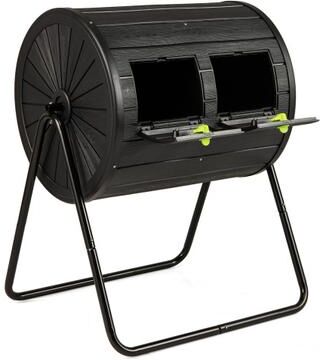
Cozy Casa Charm Compost Bin With Lid, Includes Spare Charcoal Filter, Utopia KitchenvCountertop Compost Pail bronzeIntroducing the Compost Bin with Lid and 1.3Gallon capacity, complete with a Spare Charcoal Filter from Utopia Kitchen, your ideal countertop companion for ecofriendly kitchen waste management. Designed for commercial intent, this compost pail...75,97 $*Shipping: 0,00 $Secure redirect to the provider


-
Does compost produce mold?
Yes, compost can produce mold. Mold is a type of fungus that thrives in moist and organic environments, making compost an ideal breeding ground for mold. However, having mold in compost is not necessarily a bad thing, as it helps with the decomposition process. As long as the compost is properly aerated and turned regularly, the mold should not become a problem. **
-
Do you sieve the usable compost or shred the compost before composting?
It is generally recommended to shred the compost materials before composting, as this helps to speed up the decomposition process and create a more uniform compost. Shredding the materials increases the surface area for microorganisms to work on, which accelerates the breakdown of the organic matter. Sieving the compost may also be necessary to remove any large, undecomposed materials before using the compost in the garden. Both shredding and sieving can help create a higher quality, more consistent compost for use in gardening. **
-
What is better, product design or interior architecture?
The answer to whether product design or interior architecture is better ultimately depends on personal interests and career goals. Product design involves creating tangible objects that serve a specific function, while interior architecture focuses on designing interior spaces that enhance the user experience. Both fields offer unique opportunities for creativity and innovation, so it is important to consider which aligns more with your passions and strengths. Ultimately, the decision between product design and interior architecture should be based on individual preferences and career aspirations. **
-
How can one study architecture or interior design?
One can study architecture or interior design by enrolling in a formal education program such as a bachelor's or master's degree in architecture or interior design at a university or college. These programs typically cover design principles, building technology, history of architecture, and practical skills such as drafting and computer-aided design. Additionally, gaining practical experience through internships or apprenticeships with established architects or designers can provide valuable hands-on learning opportunities. Networking with professionals in the field and attending workshops, conferences, and exhibitions can also help in expanding one's knowledge and skills in architecture or interior design. **


How can compost be improved?
Compost can be improved by ensuring a proper balance of green and brown materials, such as kitchen scraps and yard waste. Turning the compost regularly to aerate it and speed up decomposition can also help improve the quality of the compost. Adding a compost activator or accelerator can introduce beneficial microorganisms to the compost pile, further enhancing the decomposition process. Lastly, monitoring the moisture levels of the compost and adjusting as needed can help create a more optimal environment for decomposition. **
What is in the compost?
Compost is made up of organic materials such as kitchen scraps (fruit and vegetable peels, coffee grounds, eggshells), yard waste (grass clippings, leaves, small branches), and other biodegradable materials. These materials are broken down by microorganisms and turned into nutrient-rich soil that can be used to improve the health and fertility of garden soil. Compost also contains a variety of beneficial microorganisms and earthworms that help to further break down the organic matter and improve soil structure. **
Top-Angebote
Products related to Compost:
-
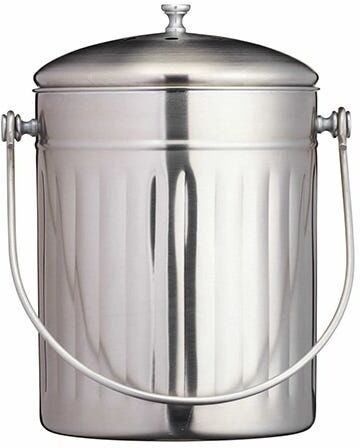
KitchenCraft Stainless Steel Compost BinEasily recycle and reduce your kitchen waste with this spacious, rust-resistant stainless steel worktop composter with an integral odour absorbing carbon filter. Perfect for composting teabags, egg shells, vegetable and fruit peelings directly from your worktop. When full, simply carry out to the compost heap.31,19 £*Shipping: 3,50 £Secure redirect to the provider
-
Cozy Casa Charm Compost Bin With Lid, Includes Spare Charcoal Filter, Utopia KitchenvCountertop Compost Pail bronzeIntroducing the Compost Bin with Lid and 1.3Gallon capacity, complete with a Spare Charcoal Filter from Utopia Kitchen, your ideal countertop companion for ecofriendly kitchen waste management. Designed for commercial intent, this compost pail...75,97 $*Shipping: 0,00 $Secure redirect to the provider
-
What is the difference between industrial compost and household compost?
Industrial composting is a large-scale process that involves composting organic waste from various sources, such as food processing plants, agricultural operations, and municipal green waste. It is typically done in a controlled environment with specialized equipment to efficiently break down the organic material. On the other hand, household composting is a smaller-scale process that involves composting organic waste generated in a home, such as food scraps, yard trimmings, and paper products. It is usually done in a backyard compost bin or pile, using natural decomposition processes. The main difference between the two is the scale and the level of control and management involved in the composting process. **
-
What is the difference between interior architecture and interior design?
Interior architecture focuses on the structural and spatial elements of a space, including the layout, flow, and functionality. It involves designing and coordinating the interior structure of a building, such as walls, ceilings, and floors. On the other hand, interior design focuses on the aesthetics and decorative aspects of a space, including furniture, color schemes, and accessories. It involves creating a cohesive and visually appealing environment that reflects the client's needs and style preferences. While interior architecture deals with the physical structure of a space, interior design focuses on the visual and decorative elements. **
-
Does compost produce mold?
Yes, compost can produce mold. Mold is a type of fungus that thrives in moist and organic environments, making compost an ideal breeding ground for mold. However, having mold in compost is not necessarily a bad thing, as it helps with the decomposition process. As long as the compost is properly aerated and turned regularly, the mold should not become a problem. **
-
Do you sieve the usable compost or shred the compost before composting?
It is generally recommended to shred the compost materials before composting, as this helps to speed up the decomposition process and create a more uniform compost. Shredding the materials increases the surface area for microorganisms to work on, which accelerates the breakdown of the organic matter. Sieving the compost may also be necessary to remove any large, undecomposed materials before using the compost in the garden. Both shredding and sieving can help create a higher quality, more consistent compost for use in gardening. **
Similar search terms for Compost
-
Cozy Casa Charm Compost Bin With Lid, Includes Spare Charcoal Filter, Utopia KitchenvCountertop Compost Pail blackIntroducing the Compost Bin with Lid and 1.3Gallon capacity, complete with a Spare Charcoal Filter from Utopia Kitchen, your ideal countertop companion for ecofriendly kitchen waste management. Designed for commercial intent, this compost pail...75,97 $*Shipping: 0,00 $Secure redirect to the provider
-
Cozy Casa Charm Compost Bin With Lid, Includes Spare Charcoal Filter, Utopia KitchenvCountertop Compost Pail silverIntroducing the Compost Bin with Lid and 1.3Gallon capacity, complete with a Spare Charcoal Filter from Utopia Kitchen, your ideal countertop companion for ecofriendly kitchen waste management. Designed for commercial intent, this compost pail...75,97 $*Shipping: 0,00 $Secure redirect to the provider
-
What is better, product design or interior architecture?
The answer to whether product design or interior architecture is better ultimately depends on personal interests and career goals. Product design involves creating tangible objects that serve a specific function, while interior architecture focuses on designing interior spaces that enhance the user experience. Both fields offer unique opportunities for creativity and innovation, so it is important to consider which aligns more with your passions and strengths. Ultimately, the decision between product design and interior architecture should be based on individual preferences and career aspirations. **
-
How can one study architecture or interior design?
One can study architecture or interior design by enrolling in a formal education program such as a bachelor's or master's degree in architecture or interior design at a university or college. These programs typically cover design principles, building technology, history of architecture, and practical skills such as drafting and computer-aided design. Additionally, gaining practical experience through internships or apprenticeships with established architects or designers can provide valuable hands-on learning opportunities. Networking with professionals in the field and attending workshops, conferences, and exhibitions can also help in expanding one's knowledge and skills in architecture or interior design. **
-
How can compost be improved?
Compost can be improved by ensuring a proper balance of green and brown materials, such as kitchen scraps and yard waste. Turning the compost regularly to aerate it and speed up decomposition can also help improve the quality of the compost. Adding a compost activator or accelerator can introduce beneficial microorganisms to the compost pile, further enhancing the decomposition process. Lastly, monitoring the moisture levels of the compost and adjusting as needed can help create a more optimal environment for decomposition. **
-
What is in the compost?
Compost is made up of organic materials such as kitchen scraps (fruit and vegetable peels, coffee grounds, eggshells), yard waste (grass clippings, leaves, small branches), and other biodegradable materials. These materials are broken down by microorganisms and turned into nutrient-rich soil that can be used to improve the health and fertility of garden soil. Compost also contains a variety of beneficial microorganisms and earthworms that help to further break down the organic matter and improve soil structure. **
* All prices are inclusive of VAT and, if applicable, plus shipping costs. The offer information is based on the details provided by the respective shop and is updated through automated processes. Real-time updates do not occur, so deviations can occur in individual cases. ** Note: Parts of this content were created by AI.