Buy architekturfotografie.eu ?
We are moving the project
architekturfotografie.eu .
Are you interested in purchasing the domain
architekturfotografie.eu ?
domain@kv-gmbh.de · 0541-91531010
Buy architekturfotografie.eu ?
What are quantitative questions?
Quantitative questions are those that can be answered with numerical data or measurements. These questions often seek to quantify or measure something, such as the frequency, amount, or size of a particular phenomenon. They are commonly used in research and surveys to gather specific data and analyze trends or patterns. Quantitative questions are important for obtaining precise and measurable information that can be used for statistical analysis and drawing conclusions. **
What is the difference between interior architecture and interior design?
Interior architecture focuses on the structural and spatial elements of a space, including the layout, flow, and functionality. It involves designing and coordinating the interior structure of a building, such as walls, ceilings, and floors. On the other hand, interior design focuses on the aesthetics and decorative aspects of a space, including furniture, color schemes, and accessories. It involves creating a cohesive and visually appealing environment that reflects the client's needs and style preferences. While interior architecture deals with the physical structure of a space, interior design focuses on the visual and decorative elements. **

Similar search terms for Quantitative
Top-Angebote
Products related to Quantitative:
-
Market Central Noodle Storage Container With Quantitative Divider For Kitchen Organization blueTransform your pantry into a cleaner, more organized space with a smarter way to store dry foods. This food storage solution is designed for families, home cooks, and anyone who loves a tidy kitchen. The sealed design helps keep noodles and other...34,97 $*Shipping: 0,00 $Secure redirect to the provider
-
Uplift Picks Newspaper Office Building Architecture Building Blocks Set Compatible With Major Brick Brands Newspaper Office Building Architecture Building Blocks Set Compatible With Major Brick BrandsBring creativity and architectural charm to life with this detailed building blocks set inspired by a modern newspaper office building. Designed for builders who enjoy thoughtful construction and displayworthy results, this set blends challenge with...141,00 $*Shipping: 0,00 $Secure redirect to the provider
-
Inspire Curations Precision Salt Dispenser Press Type Spice Dispenser, Quantitative Seasoning Bottle khaki 30pcsA perfectly seasoned meal starts with control, not guesswork. This pressstyle dispenser helps you measure your seasoning with consistent portions, so its easier to balance flavor day after day. Use it as a precision salt dispenser for cooking, meal...173,90 $*Shipping: 0,00 $Secure redirect to the provider
-
Market Central Noodle Storage Container With Quantitative Divider For Kitchen Organization greenTransform your pantry into a cleaner, more organized space with a smarter way to store dry foods. This food storage solution is designed for families, home cooks, and anyone who loves a tidy kitchen. The sealed design helps keep noodles and other...34,97 $*Shipping: 0,00 $Secure redirect to the provider


-
What is better, product design or interior architecture?
The answer to whether product design or interior architecture is better ultimately depends on personal interests and career goals. Product design involves creating tangible objects that serve a specific function, while interior architecture focuses on designing interior spaces that enhance the user experience. Both fields offer unique opportunities for creativity and innovation, so it is important to consider which aligns more with your passions and strengths. Ultimately, the decision between product design and interior architecture should be based on individual preferences and career aspirations. **
-
How can one study architecture or interior design?
One can study architecture or interior design by enrolling in a formal education program such as a bachelor's or master's degree in architecture or interior design at a university or college. These programs typically cover design principles, building technology, history of architecture, and practical skills such as drafting and computer-aided design. Additionally, gaining practical experience through internships or apprenticeships with established architects or designers can provide valuable hands-on learning opportunities. Networking with professionals in the field and attending workshops, conferences, and exhibitions can also help in expanding one's knowledge and skills in architecture or interior design. **
-
What are quantitative considerations in chemistry?
Quantitative considerations in chemistry involve the measurement and calculation of quantities such as mass, volume, concentration, and moles. These measurements are essential for determining the amount of reactants needed, predicting the amount of products formed, and understanding the stoichiometry of chemical reactions. Quantitative analysis also helps in determining the purity of substances, identifying unknown compounds, and evaluating the efficiency of chemical processes. Overall, quantitative considerations play a crucial role in understanding and applying the principles of chemistry in a practical and quantitative manner. **
-
What is a quantitative performance limitation?
A quantitative performance limitation refers to a specific numerical constraint or restriction that impacts the performance of a system, process, or individual. This limitation is typically measured and expressed in numerical terms, such as a maximum capacity, minimum threshold, or specific numerical target. It can affect various aspects of performance, including speed, capacity, accuracy, and efficiency. Identifying and addressing quantitative performance limitations is important for optimizing performance and achieving desired outcomes. **


Are they qualitative or quantitative data?
Without knowing the specific data in question, it is difficult to determine whether they are qualitative or quantitative. Qualitative data typically involves descriptions, observations, and non-numeric information, while quantitative data involves numerical measurements and counts. If you provide more details about the data, I can help you determine whether it is qualitative or quantitative. **
What is the difference between interior design and architecture?
Interior design focuses on the aesthetic and functional aspects of the interior spaces within a building, including furniture, color schemes, and decor. It involves creating a cohesive and visually appealing environment that meets the needs and preferences of the occupants. On the other hand, architecture is the art and science of designing and constructing buildings and other physical structures. It encompasses the overall design, structural integrity, and functionality of the entire building, including the exterior and interior spaces. While interior design focuses on the interior environment, architecture encompasses the entire built environment. **
Top-Angebote
Products related to Quantitative:
-
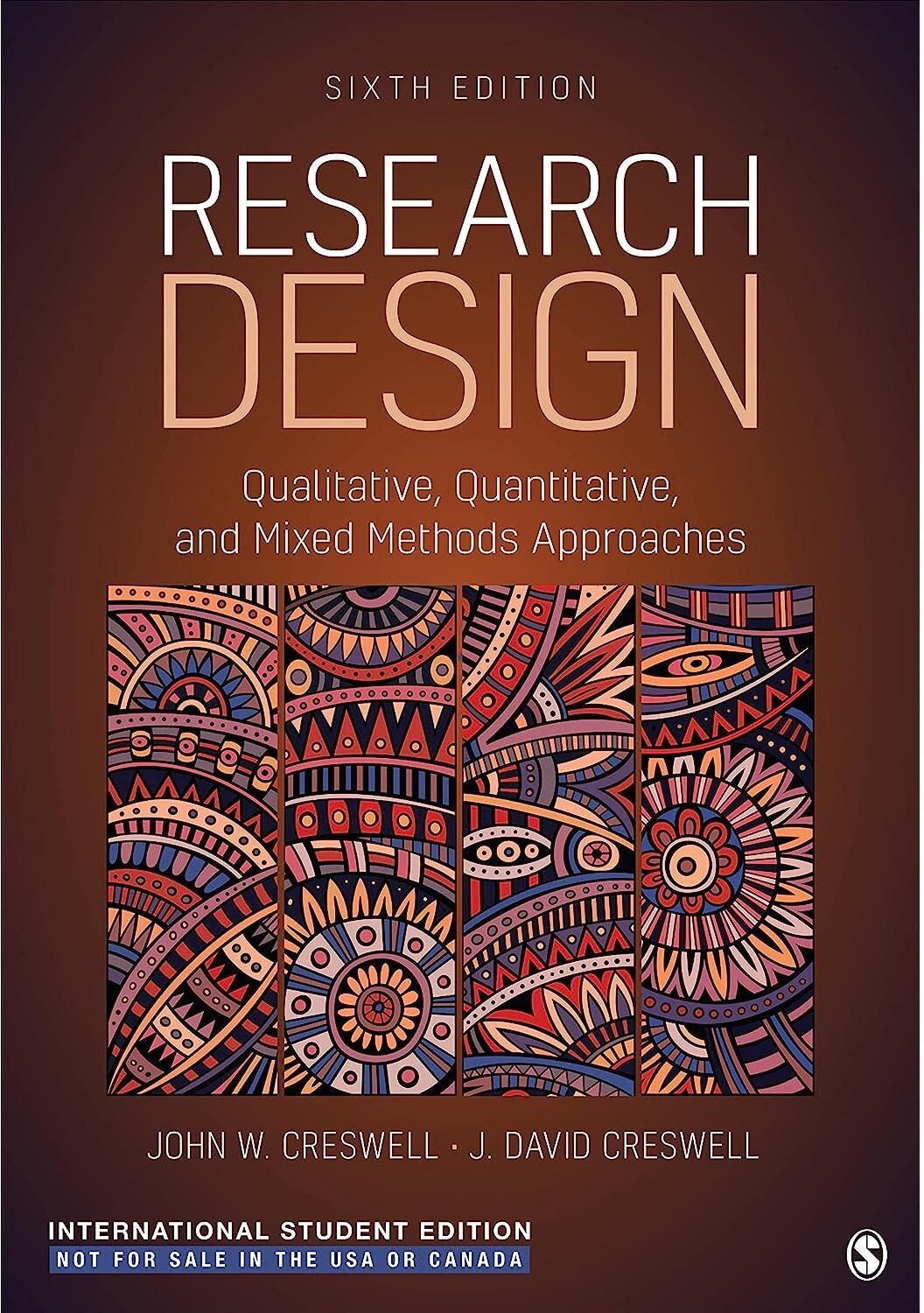
SAGE Publications Research Design - International Student Edition: Qualitative, Quantitative, and Mixed Methods ApproachesThe new edition of the best-selling text, Research Design: Qualitative, Quantitative, and Mixed Methods Approaches, continues the pioneering tradition of providing clear and concise instruction for understanding research and developing proposals for all three approaches. John W. Creswell and co-author J. David Creswell include a preliminary consideration of philosophical assumptions, a review of the literature, an assessment of the use of theory in research approaches, and reflections about the importance of writing and ethics in scholarly inquiry in a way that is applicable to all types of research. Key elements of the research process, giving specific attention to each approach. The book has been lauded for its language and tone, which are both accessible and inviting. It is a text that students keep and continue to use as a resource throughout their studies, once the specific class is over. The Sixth Edition includes more coverage of community-based participatory research, comparisons of qualitative and quantitative research, an expanded glossary with basic terms, updated examples of social, behavioural, and health research, new coverage of ethical requirements, updated APA 7th edition coverage, and additional exercises aimed at research projects.59,95 £*Shipping: 0,00 £Secure redirect to the provider
-
Uplifted Goods Smart Quantitative Electric Water Bottle Pump whiteUpgrade your hydration routine with the Smart Quantitative Electric Water Bottle Pump. This high tech dispenser eliminates the need for heavy lifting and manual pumping by providing a smooth, automatic water flow at the touch of a button. Featuring...59,97 $*Shipping: 0,00 $Secure redirect to the provider
-
Market Central Noodle Storage Container With Quantitative Divider For Kitchen Organization blueTransform your pantry into a cleaner, more organized space with a smarter way to store dry foods. This food storage solution is designed for families, home cooks, and anyone who loves a tidy kitchen. The sealed design helps keep noodles and other...34,97 $*Shipping: 0,00 $Secure redirect to the provider
-
Uplift Picks Newspaper Office Building Architecture Building Blocks Set Compatible With Major Brick Brands Newspaper Office Building Architecture Building Blocks Set Compatible With Major Brick BrandsBring creativity and architectural charm to life with this detailed building blocks set inspired by a modern newspaper office building. Designed for builders who enjoy thoughtful construction and displayworthy results, this set blends challenge with...141,00 $*Shipping: 0,00 $Secure redirect to the provider
-
What are quantitative questions?
Quantitative questions are those that can be answered with numerical data or measurements. These questions often seek to quantify or measure something, such as the frequency, amount, or size of a particular phenomenon. They are commonly used in research and surveys to gather specific data and analyze trends or patterns. Quantitative questions are important for obtaining precise and measurable information that can be used for statistical analysis and drawing conclusions. **
-
What is the difference between interior architecture and interior design?
Interior architecture focuses on the structural and spatial elements of a space, including the layout, flow, and functionality. It involves designing and coordinating the interior structure of a building, such as walls, ceilings, and floors. On the other hand, interior design focuses on the aesthetics and decorative aspects of a space, including furniture, color schemes, and accessories. It involves creating a cohesive and visually appealing environment that reflects the client's needs and style preferences. While interior architecture deals with the physical structure of a space, interior design focuses on the visual and decorative elements. **
-
What is better, product design or interior architecture?
The answer to whether product design or interior architecture is better ultimately depends on personal interests and career goals. Product design involves creating tangible objects that serve a specific function, while interior architecture focuses on designing interior spaces that enhance the user experience. Both fields offer unique opportunities for creativity and innovation, so it is important to consider which aligns more with your passions and strengths. Ultimately, the decision between product design and interior architecture should be based on individual preferences and career aspirations. **
-
How can one study architecture or interior design?
One can study architecture or interior design by enrolling in a formal education program such as a bachelor's or master's degree in architecture or interior design at a university or college. These programs typically cover design principles, building technology, history of architecture, and practical skills such as drafting and computer-aided design. Additionally, gaining practical experience through internships or apprenticeships with established architects or designers can provide valuable hands-on learning opportunities. Networking with professionals in the field and attending workshops, conferences, and exhibitions can also help in expanding one's knowledge and skills in architecture or interior design. **
Similar search terms for Quantitative
-
Inspire Curations Precision Salt Dispenser Press Type Spice Dispenser, Quantitative Seasoning Bottle khaki 30pcsA perfectly seasoned meal starts with control, not guesswork. This pressstyle dispenser helps you measure your seasoning with consistent portions, so its easier to balance flavor day after day. Use it as a precision salt dispenser for cooking, meal...173,90 $*Shipping: 0,00 $Secure redirect to the provider
-
Market Central Noodle Storage Container With Quantitative Divider For Kitchen Organization greenTransform your pantry into a cleaner, more organized space with a smarter way to store dry foods. This food storage solution is designed for families, home cooks, and anyone who loves a tidy kitchen. The sealed design helps keep noodles and other...34,97 $*Shipping: 0,00 $Secure redirect to the provider
-
Market Central Noodle Storage Container With Quantitative Divider For Kitchen Organization khakiTransform your pantry into a cleaner, more organized space with a smarter way to store dry foods. This food storage solution is designed for families, home cooks, and anyone who loves a tidy kitchen. The sealed design helps keep noodles and other...34,97 $*Shipping: 0,00 $Secure redirect to the provider
-
Inspire Curations Precision Salt Dispenser Press Type Spice Dispenser, Quantitative Seasoning Bottle khaki 10pcsA perfectly seasoned meal starts with control, not guesswork. This pressstyle dispenser helps you measure your seasoning with consistent portions, so its easier to balance flavor day after day. Use it as a precision salt dispenser for cooking, meal...78,90 $*Shipping: 0,00 $Secure redirect to the provider
-
What are quantitative considerations in chemistry?
Quantitative considerations in chemistry involve the measurement and calculation of quantities such as mass, volume, concentration, and moles. These measurements are essential for determining the amount of reactants needed, predicting the amount of products formed, and understanding the stoichiometry of chemical reactions. Quantitative analysis also helps in determining the purity of substances, identifying unknown compounds, and evaluating the efficiency of chemical processes. Overall, quantitative considerations play a crucial role in understanding and applying the principles of chemistry in a practical and quantitative manner. **
-
What is a quantitative performance limitation?
A quantitative performance limitation refers to a specific numerical constraint or restriction that impacts the performance of a system, process, or individual. This limitation is typically measured and expressed in numerical terms, such as a maximum capacity, minimum threshold, or specific numerical target. It can affect various aspects of performance, including speed, capacity, accuracy, and efficiency. Identifying and addressing quantitative performance limitations is important for optimizing performance and achieving desired outcomes. **
-
Are they qualitative or quantitative data?
Without knowing the specific data in question, it is difficult to determine whether they are qualitative or quantitative. Qualitative data typically involves descriptions, observations, and non-numeric information, while quantitative data involves numerical measurements and counts. If you provide more details about the data, I can help you determine whether it is qualitative or quantitative. **
-
What is the difference between interior design and architecture?
Interior design focuses on the aesthetic and functional aspects of the interior spaces within a building, including furniture, color schemes, and decor. It involves creating a cohesive and visually appealing environment that meets the needs and preferences of the occupants. On the other hand, architecture is the art and science of designing and constructing buildings and other physical structures. It encompasses the overall design, structural integrity, and functionality of the entire building, including the exterior and interior spaces. While interior design focuses on the interior environment, architecture encompasses the entire built environment. **
* All prices are inclusive of VAT and, if applicable, plus shipping costs. The offer information is based on the details provided by the respective shop and is updated through automated processes. Real-time updates do not occur, so deviations can occur in individual cases. ** Note: Parts of this content were created by AI.