Buy architekturfotografie.eu ?
We are moving the project
architekturfotografie.eu .
Are you interested in purchasing the domain
architekturfotografie.eu ?
domain@kv-gmbh.de · 0541-91531010
Buy architekturfotografie.eu ?
How can I send framed paintings?
To send framed paintings, you will need to take extra care to ensure they are properly protected during transit. Start by wrapping the painting in a layer of bubble wrap, making sure to cover the entire surface. Then, place the wrapped painting in a sturdy cardboard box that is slightly larger than the painting itself. Fill any empty spaces in the box with packing peanuts or bubble wrap to prevent the painting from shifting during transit. Finally, seal the box securely with packing tape and clearly label it as fragile. Consider using a shipping service that specializes in handling delicate items to ensure the safe delivery of your framed paintings. **
What is a framed single narrative?
A framed single narrative is a storytelling technique where a main story is presented within the context of a secondary story. The secondary story serves as a framing device, providing a context or setting for the main narrative. This technique allows for multiple layers of storytelling and can add depth and complexity to the overall narrative. It is often used to create a sense of storytelling within storytelling, and can be found in literature, film, and other forms of media. **

Similar search terms for Bouncyband-Indoor-Framed-Sensory
Top-Angebote
Products related to Bouncyband-Indoor-Framed-Sensory:
-
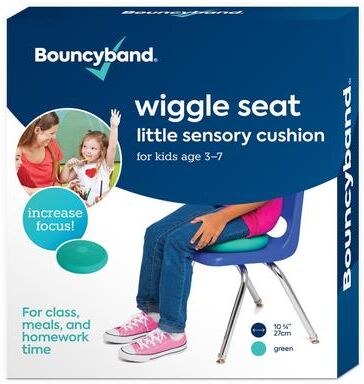
Bouncyband Little Wiggle Seat Sensory Cushion, MintSpecially designed 27cm wiggle seats for young children- help calm and focus those in early primary school and preschool who have a hard time sitting still. Allow children to quietly move while working enabling them to be more productive.23,99 $*Shipping: 0,00 $Secure redirect to the provider
-
Bouncyband Wiggle Seat Sensory Cushion, Mint MonsterKids stay calm and focused while sitting as the seat gives them an outlet for excess energy in the classroom, during meals and at homework time. All of the advantages of a traditional wiggle seat, but with a lot more fun!22,67 $*Shipping: 0,00 $Secure redirect to the provider
-
Bouncyband Pop-Up Portable Sensory Dark DenThe Pop-Up Portable Sensory Dark Den makes it simple to create a calm, ever-changing environment for classroom and home use. Perfect for children who need a distraction free setting or stimulation via glowing objects.148,99 $*Shipping: 0,00 $Secure redirect to the provider
-
Bouncyband Big Wiggle Seat Sensory Cushion, SilverKids stay calm and focused while sitting as the seat gives them an outlet for excess energy in the classroom, during meals and at homework time. Allow children to quietly move while working enabling them to be more productive.28,99 $*Shipping: 0,00 $Secure redirect to the provider



-
What are sensory cells, sensory organs, and senses?
Sensory cells are specialized cells that detect and respond to specific stimuli, such as light, sound, touch, taste, and smell. These cells are found in sensory organs, which are structures in the body that contain sensory cells and are responsible for detecting and transmitting sensory information to the brain. The senses, on the other hand, are the physiological capacities of organisms that provide data for perception. They include sight, hearing, touch, taste, and smell, and are essential for experiencing and interacting with the environment. **
-
Which lens is suitable for indoor sports photography?
A fast telephoto lens with a wide aperture, such as a 70-200mm f/2.8, is suitable for indoor sports photography. This type of lens allows you to capture fast-moving subjects in low light conditions, which is often the case in indoor sports venues. The wide aperture also helps to create a shallow depth of field, isolating the subject from the background and creating a more dynamic and professional-looking image. Additionally, the telephoto focal length allows you to zoom in on the action from a distance, without being too intrusive to the athletes or disrupting the game. **
-
How do I design the entrance to a sensory box?
When designing the entrance to a sensory box, consider incorporating elements that engage the senses and create anticipation for what's inside. You can use textured materials, such as soft fabrics or rough textures, to provide a tactile experience. Adding scented elements like essential oils or fragrant items can stimulate the sense of smell. Visual elements like bright colors or patterns can also make the entrance visually appealing. Additionally, consider incorporating auditory elements like chimes or bells to create a multi-sensory experience as one enters the sensory box. **
-
What is the difference between a primary sensory cell, a secondary sensory cell, and a sensory nerve cell?
Primary sensory cells are specialized cells that directly detect stimuli from the environment, such as light, sound, or touch. Secondary sensory cells receive signals from primary sensory cells and transmit them to the central nervous system. Sensory nerve cells, also known as sensory neurons, are responsible for transmitting the signals from secondary sensory cells to the brain, where they are processed and interpreted. In summary, primary sensory cells detect stimuli, secondary sensory cells relay the signals, and sensory nerve cells transmit the signals to the brain for processing. **


What is the difference between interior architecture and interior design?
Interior architecture focuses on the structural and spatial elements of a space, including the layout, flow, and functionality. It involves designing and coordinating the interior structure of a building, such as walls, ceilings, and floors. On the other hand, interior design focuses on the aesthetics and decorative aspects of a space, including furniture, color schemes, and accessories. It involves creating a cohesive and visually appealing environment that reflects the client's needs and style preferences. While interior architecture deals with the physical structure of a space, interior design focuses on the visual and decorative elements. **
Are receptors sensory cells?
Receptors are not sensory cells themselves, but they are specialized proteins located on the surface of sensory cells. These receptors are responsible for detecting and responding to specific stimuli, such as light, sound, taste, or smell. When a receptor is activated by a stimulus, it triggers a series of biochemical reactions within the sensory cell, ultimately leading to the generation of a sensory signal that can be transmitted to the brain for processing. Therefore, while receptors are not sensory cells, they play a crucial role in the sensory process by detecting and transducing stimuli into neural signals. **
Top-Angebote
Products related to Bouncyband-Indoor-Framed-Sensory:
-
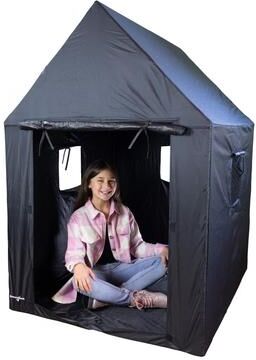
Bouncyband Indoor Framed Sensory Dark DenBouncyband Framed Indoor Sensory Dark Den - Sturdy ready-made safe sensory environment for classroom & home use. Perfect for children who need a distraction free setting or stimulation via glowing objects. Create an interference-free mini sensory room.145,99 $*Shipping: 0,00 $Secure redirect to the provider
-
Bouncyband Big Wiggle Seat Sensory Cushion, MintKids stay calm and focused while sitting as the seat gives them an outlet for excess energy in the classroom, during meals and at homework time. Allow children to quietly move while working enabling them to be more productive.30,49 $*Shipping: 0,00 $Secure redirect to the provider
-
Bouncyband Little Wiggle Seat Sensory Cushion, MintSpecially designed 27cm wiggle seats for young children- help calm and focus those in early primary school and preschool who have a hard time sitting still. Allow children to quietly move while working enabling them to be more productive.23,99 $*Shipping: 0,00 $Secure redirect to the provider
-
Bouncyband Wiggle Seat Sensory Cushion, Mint MonsterKids stay calm and focused while sitting as the seat gives them an outlet for excess energy in the classroom, during meals and at homework time. All of the advantages of a traditional wiggle seat, but with a lot more fun!22,67 $*Shipping: 0,00 $Secure redirect to the provider
-
How can I send framed paintings?
To send framed paintings, you will need to take extra care to ensure they are properly protected during transit. Start by wrapping the painting in a layer of bubble wrap, making sure to cover the entire surface. Then, place the wrapped painting in a sturdy cardboard box that is slightly larger than the painting itself. Fill any empty spaces in the box with packing peanuts or bubble wrap to prevent the painting from shifting during transit. Finally, seal the box securely with packing tape and clearly label it as fragile. Consider using a shipping service that specializes in handling delicate items to ensure the safe delivery of your framed paintings. **
-
What is a framed single narrative?
A framed single narrative is a storytelling technique where a main story is presented within the context of a secondary story. The secondary story serves as a framing device, providing a context or setting for the main narrative. This technique allows for multiple layers of storytelling and can add depth and complexity to the overall narrative. It is often used to create a sense of storytelling within storytelling, and can be found in literature, film, and other forms of media. **
-
What are sensory cells, sensory organs, and senses?
Sensory cells are specialized cells that detect and respond to specific stimuli, such as light, sound, touch, taste, and smell. These cells are found in sensory organs, which are structures in the body that contain sensory cells and are responsible for detecting and transmitting sensory information to the brain. The senses, on the other hand, are the physiological capacities of organisms that provide data for perception. They include sight, hearing, touch, taste, and smell, and are essential for experiencing and interacting with the environment. **
-
Which lens is suitable for indoor sports photography?
A fast telephoto lens with a wide aperture, such as a 70-200mm f/2.8, is suitable for indoor sports photography. This type of lens allows you to capture fast-moving subjects in low light conditions, which is often the case in indoor sports venues. The wide aperture also helps to create a shallow depth of field, isolating the subject from the background and creating a more dynamic and professional-looking image. Additionally, the telephoto focal length allows you to zoom in on the action from a distance, without being too intrusive to the athletes or disrupting the game. **
Similar search terms for Bouncyband-Indoor-Framed-Sensory
-
Bouncyband Pop-Up Portable Sensory Dark DenThe Pop-Up Portable Sensory Dark Den makes it simple to create a calm, ever-changing environment for classroom and home use. Perfect for children who need a distraction free setting or stimulation via glowing objects.148,99 $*Shipping: 0,00 $Secure redirect to the provider
-
Bouncyband Big Wiggle Seat Sensory Cushion, SilverKids stay calm and focused while sitting as the seat gives them an outlet for excess energy in the classroom, during meals and at homework time. Allow children to quietly move while working enabling them to be more productive.28,99 $*Shipping: 0,00 $Secure redirect to the provider
-
Bouncyband Little Wiggle Seat Sensory Cushion, OrangeSpecially designed 27cm wiggle seats for young children- help calm and focus those in early primary school and preschool who have a hard time sitting still. Allow children to quietly move while working enabling them to be more productive.22,89 $*Shipping: 0,00 $Secure redirect to the provider
-
Bouncyband Wiggle Seat Sensory Cushion, Orange BasketballKids stay calm and focused while sitting as the seat gives them an outlet for excess energy in the classroom, during meals and at homework time. All of the advantages of a traditional wiggle seat, but with a lot more fun!29,49 $*Shipping: 0,00 $Secure redirect to the provider
-
How do I design the entrance to a sensory box?
When designing the entrance to a sensory box, consider incorporating elements that engage the senses and create anticipation for what's inside. You can use textured materials, such as soft fabrics or rough textures, to provide a tactile experience. Adding scented elements like essential oils or fragrant items can stimulate the sense of smell. Visual elements like bright colors or patterns can also make the entrance visually appealing. Additionally, consider incorporating auditory elements like chimes or bells to create a multi-sensory experience as one enters the sensory box. **
-
What is the difference between a primary sensory cell, a secondary sensory cell, and a sensory nerve cell?
Primary sensory cells are specialized cells that directly detect stimuli from the environment, such as light, sound, or touch. Secondary sensory cells receive signals from primary sensory cells and transmit them to the central nervous system. Sensory nerve cells, also known as sensory neurons, are responsible for transmitting the signals from secondary sensory cells to the brain, where they are processed and interpreted. In summary, primary sensory cells detect stimuli, secondary sensory cells relay the signals, and sensory nerve cells transmit the signals to the brain for processing. **
-
What is the difference between interior architecture and interior design?
Interior architecture focuses on the structural and spatial elements of a space, including the layout, flow, and functionality. It involves designing and coordinating the interior structure of a building, such as walls, ceilings, and floors. On the other hand, interior design focuses on the aesthetics and decorative aspects of a space, including furniture, color schemes, and accessories. It involves creating a cohesive and visually appealing environment that reflects the client's needs and style preferences. While interior architecture deals with the physical structure of a space, interior design focuses on the visual and decorative elements. **
-
Are receptors sensory cells?
Receptors are not sensory cells themselves, but they are specialized proteins located on the surface of sensory cells. These receptors are responsible for detecting and responding to specific stimuli, such as light, sound, taste, or smell. When a receptor is activated by a stimulus, it triggers a series of biochemical reactions within the sensory cell, ultimately leading to the generation of a sensory signal that can be transmitted to the brain for processing. Therefore, while receptors are not sensory cells, they play a crucial role in the sensory process by detecting and transducing stimuli into neural signals. **
* All prices are inclusive of VAT and, if applicable, plus shipping costs. The offer information is based on the details provided by the respective shop and is updated through automated processes. Real-time updates do not occur, so deviations can occur in individual cases. ** Note: Parts of this content were created by AI.