Buy architekturfotografie.eu ?
We are moving the project
architekturfotografie.eu .
Are you interested in purchasing the domain
architekturfotografie.eu ?
domain@kv-gmbh.de · 0541-91531010
Buy architekturfotografie.eu ?
What is the difference between interior architecture and interior design?
Interior architecture focuses on the structural and spatial elements of a space, including the layout, flow, and functionality. It involves designing and coordinating the interior structure of a building, such as walls, ceilings, and floors. On the other hand, interior design focuses on the aesthetics and decorative aspects of a space, including furniture, color schemes, and accessories. It involves creating a cohesive and visually appealing environment that reflects the client's needs and style preferences. While interior architecture deals with the physical structure of a space, interior design focuses on the visual and decorative elements. **
What is better, product design or interior architecture?
The answer to whether product design or interior architecture is better ultimately depends on personal interests and career goals. Product design involves creating tangible objects that serve a specific function, while interior architecture focuses on designing interior spaces that enhance the user experience. Both fields offer unique opportunities for creativity and innovation, so it is important to consider which aligns more with your passions and strengths. Ultimately, the decision between product design and interior architecture should be based on individual preferences and career aspirations. **

Similar search terms for Buddhism
Top-Angebote
Products related to Buddhism:
-
Uplift Picks Newspaper Office Building Architecture Building Blocks Set Compatible With Major Brick Brands Newspaper Office Building Architecture Building Blocks Set Compatible With Major Brick BrandsBring creativity and architectural charm to life with this detailed building blocks set inspired by a modern newspaper office building. Designed for builders who enjoy thoughtful construction and displayworthy results, this set blends challenge with...141,00 $*Shipping: 0,00 $Secure redirect to the provider
-
Inspired Finds Ukiyo e Lucky Cat Decorative Book Box Hidden Storage Organizer neoclassical Architecture And Sculpture Photography.Bring a touch of culture and clever functionality into your space with this Ukiyoe decor inspired storage piece. Designed to look like a refined art book, this hidden storage box blends seamlessly into your shelf while quietly keeping your...57,99 $*Shipping: 0,00 $Secure redirect to the provider
-
The 50 Greatest Architects by Ike Ijeh - Arcturus Hardback - Non Fiction Architecture Book with Full-Colour PhotographyDiscover the visionaries behind the world's most iconic buildings with 'The 50 Greatest Architects' by Ike Ijeh. This richly illustrated hardback profiles fifty influential architects across centuries and continents, pairing concise biography with sharp architectural analysis. Full-colour photography brings each landmark to life, making this an ideal reference for students, professionals, and anyone fascinated by the built environment. Spanning ancient masters through to today's most celebrated contemporary names, the book surveys the careers and signature buildings of fifty individuals whose work has redefined how we live, work, and experience space. Written by award-winning architecture critic Ike Ijeh, this non-fiction guide is a handsome coffee-table title rewarding repeated browsing.9,99 £*Shipping: 2,99 £Secure redirect to the provider
-
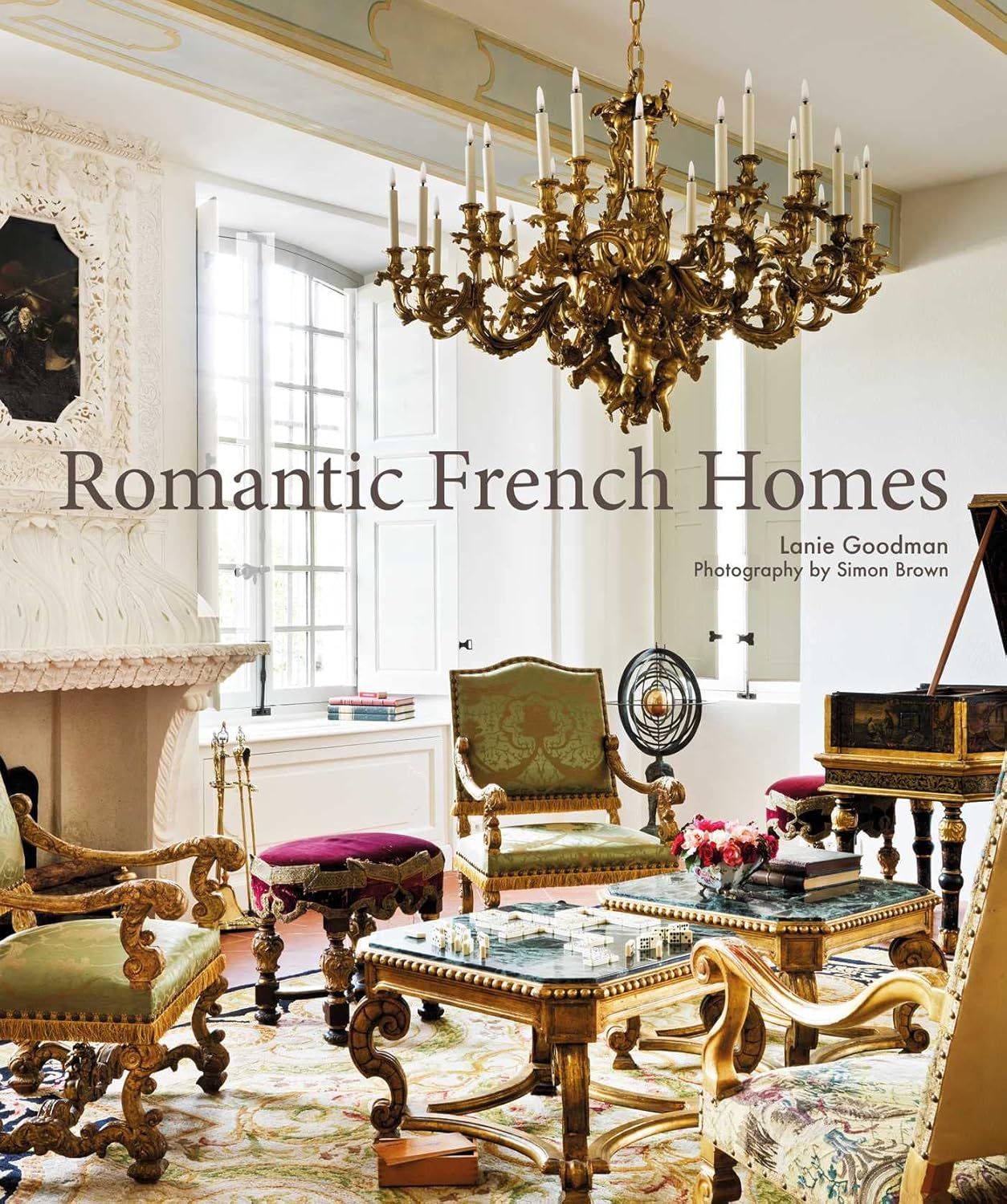
CICO Books Romantic French Homes by Lanie Goodman - Hardback - 176 Pages - French Interior Design & Architecture Coffee Table BookRomantic French Homes by Lanie Goodman is a beautifully photographed hardback celebrating fourteen extraordinary French properties. From a chic Parisian pied-à-terre to a restored Alpine ski lodge in Megève, and from a grand château filled with antiques to a sun-bleached Riviera beach cottage, this coffee-table book distils the enduring romance of French living, capturing light, texture, and heritage in equal measure. Written by acclaimed arts and travel writer Lanie Goodman, this collection takes readers on a journey through France, from the streets of Paris to the French Alps, the windswept Normandy coast, the lavender fields of Provence, and the sun-baked shores of the Riviera. The book is organized into four evocative sections, each showcasing a unique aspect of French architecture and interior design. Published by CICO Books, this book is an essential addition for anyone who loves interior design, architecture, or the atmospheric pull of France's regional homes.13,99 £*Shipping: 2,99 £Secure redirect to the provider


-
How can one study architecture or interior design?
One can study architecture or interior design by enrolling in a formal education program such as a bachelor's or master's degree in architecture or interior design at a university or college. These programs typically cover design principles, building technology, history of architecture, and practical skills such as drafting and computer-aided design. Additionally, gaining practical experience through internships or apprenticeships with established architects or designers can provide valuable hands-on learning opportunities. Networking with professionals in the field and attending workshops, conferences, and exhibitions can also help in expanding one's knowledge and skills in architecture or interior design. **
-
What are the differences between Buddhism and Tibetan Buddhism?
Buddhism is a broader religion that encompasses various traditions and schools, while Tibetan Buddhism is a specific branch of Buddhism that developed in Tibet. Tibetan Buddhism incorporates elements of Tibetan culture, such as rituals, deities, and practices like chanting and visualization. It also places a strong emphasis on the teachings of Tibetan Buddhist masters and the importance of the Dalai Lama. Additionally, Tibetan Buddhism includes unique practices such as the use of prayer flags, prayer wheels, and mandalas. **
-
What is the difference between Buddhism and Zen Buddhism?
Buddhism is a broader religion and philosophy that encompasses a variety of traditions and practices, while Zen Buddhism is a specific school or branch of Mahayana Buddhism that emphasizes meditation and direct experience of enlightenment. Zen Buddhism places a strong emphasis on the practice of meditation (zazen) as a means to achieve enlightenment, while traditional Buddhism incorporates a wider range of practices such as chanting, rituals, and study of Buddhist scriptures. Additionally, Zen Buddhism often focuses on the teachings of specific Zen masters and the importance of the teacher-student relationship in transmitting wisdom and insight. **
-
What is the difference between interior design and architecture?
Interior design focuses on the aesthetic and functional aspects of the interior spaces within a building, including furniture, color schemes, and decor. It involves creating a cohesive and visually appealing environment that meets the needs and preferences of the occupants. On the other hand, architecture is the art and science of designing and constructing buildings and other physical structures. It encompasses the overall design, structural integrity, and functionality of the entire building, including the exterior and interior spaces. While interior design focuses on the interior environment, architecture encompasses the entire built environment. **

How can one transition from interior design to architecture?
One can transition from interior design to architecture by pursuing further education and obtaining a degree in architecture. This will provide a deeper understanding of structural design, building systems, and construction methods. Additionally, gaining experience in architectural firms or working on architectural projects can help in making the transition. It is also important to develop a strong portfolio that showcases architectural design skills and knowledge. Networking with architects and seeking mentorship can also be beneficial in making the transition from interior design to architecture. **
Is Buddhism illogical?
Buddhism is not inherently illogical. It is a complex and diverse belief system that encompasses a wide range of philosophical and ethical teachings. While some aspects of Buddhist doctrine may seem counterintuitive or difficult to understand from a Western perspective, they are based on a different cultural and philosophical framework. Many Buddhist teachings emphasize the importance of critical thinking and personal experience, and encourage followers to question and explore their beliefs. Ultimately, whether Buddhism is considered logical or not may depend on one's own perspective and understanding of its teachings. **
Top-Angebote
Products related to Buddhism:
-
Watkins Publishing Zen and the Art of Dealing with Difficult People by Mark Westmoquette - Paperback - Mindfulness & Zen Buddhism Guide for Adults - UK EditionZen and the Art of Dealing with Difficult People is a thoughtful, practical guide for anyone who has ever felt wound up, drained, or triggered by another person. Drawing on Zen Buddhism and mindfulness practice, astrophysicist-turned-meditation-teacher Mark Westmoquette shows readers how to recognise recurring patterns in their reactions to "difficult" people and use these encounters as opportunities for genuine personal growth, rather than sources of ongoing frustration and pain. Every one of us has at least one "troublesome Buddha" in our lives—a colleague, relative, friend, or stranger whose behaviour seems to press all our buttons. This book argues that these people are not simply obstacles to be endured, but mirrors that reveal our own unexamined habits, fears, and conditioning. Using accessible explanations of Zen philosophy alongside structured mindful practice, Westmoquette provides a roadmap for navigating challenging interactions with composure. Published by Watkins Publishing, this paperback edition is designed for adult readers seeking a grounded approach to interpersonal dynamics.3,99 £*Shipping: 2,99 £Secure redirect to the provider
-
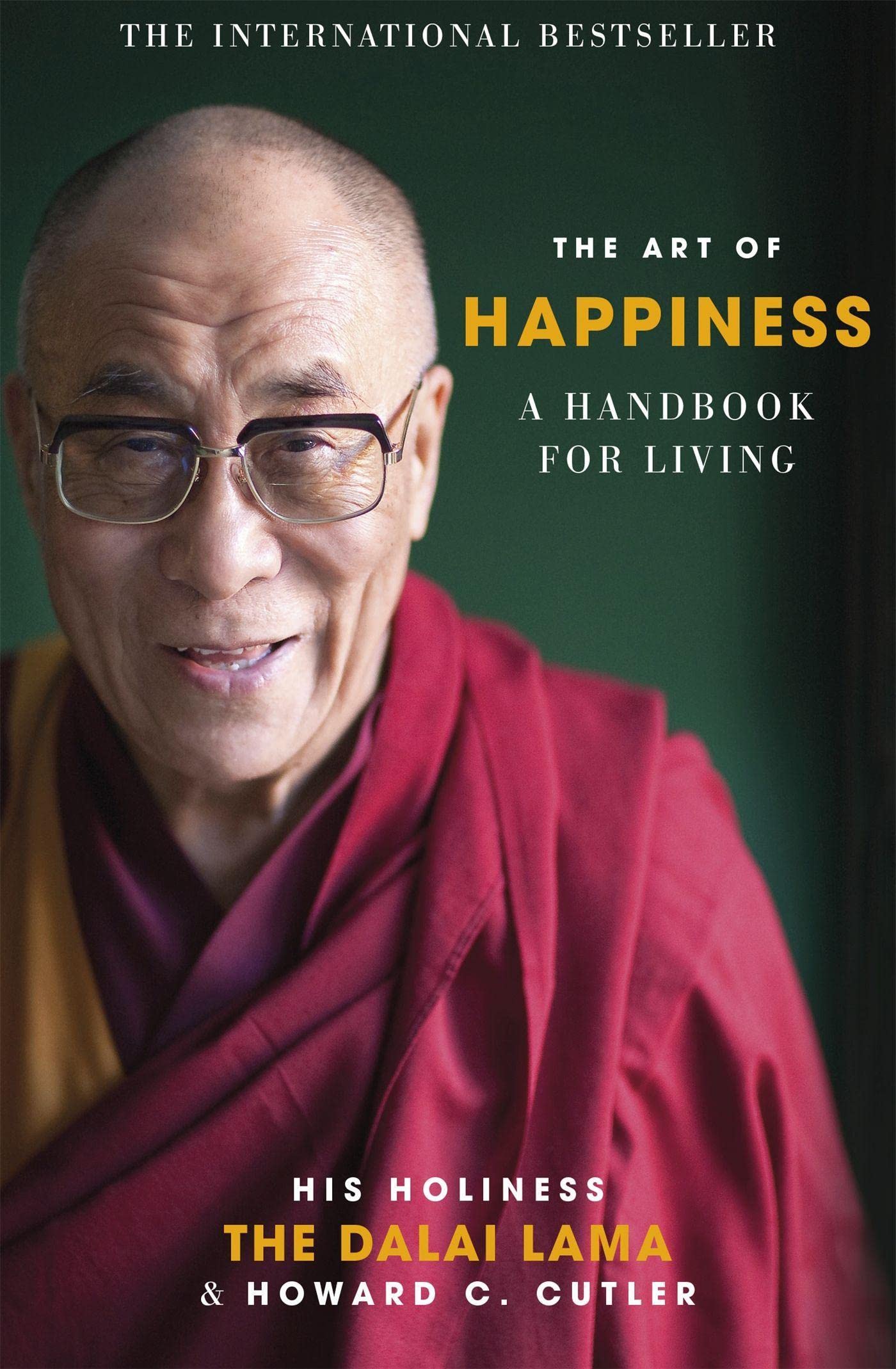
Hodder & Stoughton The Art of Happiness: A Handbook for Living by The Dalai Lama & Howard C. Cutler - Paperback Self-Help Classic on Buddhism & WellbeingA handbook for living, 'The Art of Happiness' pairs the spiritual insight of the Dalai Lama with the clinical expertise of Dr Howard C. Cutler. This practical guide explores how lasting contentment can be cultivated in everyday life, blending Tibetan Buddhist philosophy with Western psychology. The book is based on conversations between the Dalai Lama and Dr Cutler, recorded over several years, and offers a unique perspective on anxiety, loneliness, anger, loss, and the pursuit of wealth. Written with warmth, humour, and practicality, this influential work remains a valuable resource for those seeking calm and inner peace.9,99 £*Shipping: 2,99 £Secure redirect to the provider
-
Uplift Picks Newspaper Office Building Architecture Building Blocks Set Compatible With Major Brick Brands Newspaper Office Building Architecture Building Blocks Set Compatible With Major Brick BrandsBring creativity and architectural charm to life with this detailed building blocks set inspired by a modern newspaper office building. Designed for builders who enjoy thoughtful construction and displayworthy results, this set blends challenge with...141,00 $*Shipping: 0,00 $Secure redirect to the provider
-
Inspired Finds Ukiyo e Lucky Cat Decorative Book Box Hidden Storage Organizer neoclassical Architecture And Sculpture Photography.Bring a touch of culture and clever functionality into your space with this Ukiyoe decor inspired storage piece. Designed to look like a refined art book, this hidden storage box blends seamlessly into your shelf while quietly keeping your...57,99 $*Shipping: 0,00 $Secure redirect to the provider
-
What is the difference between interior architecture and interior design?
Interior architecture focuses on the structural and spatial elements of a space, including the layout, flow, and functionality. It involves designing and coordinating the interior structure of a building, such as walls, ceilings, and floors. On the other hand, interior design focuses on the aesthetics and decorative aspects of a space, including furniture, color schemes, and accessories. It involves creating a cohesive and visually appealing environment that reflects the client's needs and style preferences. While interior architecture deals with the physical structure of a space, interior design focuses on the visual and decorative elements. **
-
What is better, product design or interior architecture?
The answer to whether product design or interior architecture is better ultimately depends on personal interests and career goals. Product design involves creating tangible objects that serve a specific function, while interior architecture focuses on designing interior spaces that enhance the user experience. Both fields offer unique opportunities for creativity and innovation, so it is important to consider which aligns more with your passions and strengths. Ultimately, the decision between product design and interior architecture should be based on individual preferences and career aspirations. **
-
How can one study architecture or interior design?
One can study architecture or interior design by enrolling in a formal education program such as a bachelor's or master's degree in architecture or interior design at a university or college. These programs typically cover design principles, building technology, history of architecture, and practical skills such as drafting and computer-aided design. Additionally, gaining practical experience through internships or apprenticeships with established architects or designers can provide valuable hands-on learning opportunities. Networking with professionals in the field and attending workshops, conferences, and exhibitions can also help in expanding one's knowledge and skills in architecture or interior design. **
-
What are the differences between Buddhism and Tibetan Buddhism?
Buddhism is a broader religion that encompasses various traditions and schools, while Tibetan Buddhism is a specific branch of Buddhism that developed in Tibet. Tibetan Buddhism incorporates elements of Tibetan culture, such as rituals, deities, and practices like chanting and visualization. It also places a strong emphasis on the teachings of Tibetan Buddhist masters and the importance of the Dalai Lama. Additionally, Tibetan Buddhism includes unique practices such as the use of prayer flags, prayer wheels, and mandalas. **
Similar search terms for Buddhism
-
The 50 Greatest Architects by Ike Ijeh - Arcturus Hardback - Non Fiction Architecture Book with Full-Colour PhotographyDiscover the visionaries behind the world's most iconic buildings with 'The 50 Greatest Architects' by Ike Ijeh. This richly illustrated hardback profiles fifty influential architects across centuries and continents, pairing concise biography with sharp architectural analysis. Full-colour photography brings each landmark to life, making this an ideal reference for students, professionals, and anyone fascinated by the built environment. Spanning ancient masters through to today's most celebrated contemporary names, the book surveys the careers and signature buildings of fifty individuals whose work has redefined how we live, work, and experience space. Written by award-winning architecture critic Ike Ijeh, this non-fiction guide is a handsome coffee-table title rewarding repeated browsing.9,99 £*Shipping: 2,99 £Secure redirect to the provider
-
CICO Books Romantic French Homes by Lanie Goodman - Hardback - 176 Pages - French Interior Design & Architecture Coffee Table BookRomantic French Homes by Lanie Goodman is a beautifully photographed hardback celebrating fourteen extraordinary French properties. From a chic Parisian pied-à-terre to a restored Alpine ski lodge in Megève, and from a grand château filled with antiques to a sun-bleached Riviera beach cottage, this coffee-table book distils the enduring romance of French living, capturing light, texture, and heritage in equal measure. Written by acclaimed arts and travel writer Lanie Goodman, this collection takes readers on a journey through France, from the streets of Paris to the French Alps, the windswept Normandy coast, the lavender fields of Provence, and the sun-baked shores of the Riviera. The book is organized into four evocative sections, each showcasing a unique aspect of French architecture and interior design. Published by CICO Books, this book is an essential addition for anyone who loves interior design, architecture, or the atmospheric pull of France's regional homes.13,99 £*Shipping: 2,99 £Secure redirect to the provider
-
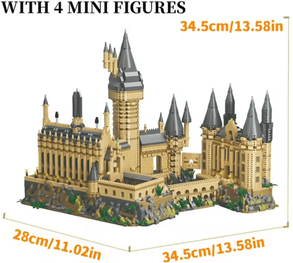
Inspire Picks Medieval Magic Castle Micro Building Block Set For Creative Architecture Play with LightEnter a world of fantasy, imagination, and handson creativity with this enchanting magic castle building block set inspired by medieval palaces and grand schoolstyle architecture. Designed with precision micro bricks, this detailed MOC construction...171,03 $*Shipping: 0,00 $Secure redirect to the provider
-
Inspire Curations Creative Medieval Magic Castle Micro Building Blocks School Architecture Palace DIY Set no LightStep into a world of imagination and craftsmanship with this intricate medieval castle building blocks set designed for creative minds. Built with precision micro bricks, this micro building blocks castle offers a detailed and rewarding assembly...225,50 $*Shipping: 0,00 $Secure redirect to the provider
-
What is the difference between Buddhism and Zen Buddhism?
Buddhism is a broader religion and philosophy that encompasses a variety of traditions and practices, while Zen Buddhism is a specific school or branch of Mahayana Buddhism that emphasizes meditation and direct experience of enlightenment. Zen Buddhism places a strong emphasis on the practice of meditation (zazen) as a means to achieve enlightenment, while traditional Buddhism incorporates a wider range of practices such as chanting, rituals, and study of Buddhist scriptures. Additionally, Zen Buddhism often focuses on the teachings of specific Zen masters and the importance of the teacher-student relationship in transmitting wisdom and insight. **
-
What is the difference between interior design and architecture?
Interior design focuses on the aesthetic and functional aspects of the interior spaces within a building, including furniture, color schemes, and decor. It involves creating a cohesive and visually appealing environment that meets the needs and preferences of the occupants. On the other hand, architecture is the art and science of designing and constructing buildings and other physical structures. It encompasses the overall design, structural integrity, and functionality of the entire building, including the exterior and interior spaces. While interior design focuses on the interior environment, architecture encompasses the entire built environment. **
-
How can one transition from interior design to architecture?
One can transition from interior design to architecture by pursuing further education and obtaining a degree in architecture. This will provide a deeper understanding of structural design, building systems, and construction methods. Additionally, gaining experience in architectural firms or working on architectural projects can help in making the transition. It is also important to develop a strong portfolio that showcases architectural design skills and knowledge. Networking with architects and seeking mentorship can also be beneficial in making the transition from interior design to architecture. **
-
Is Buddhism illogical?
Buddhism is not inherently illogical. It is a complex and diverse belief system that encompasses a wide range of philosophical and ethical teachings. While some aspects of Buddhist doctrine may seem counterintuitive or difficult to understand from a Western perspective, they are based on a different cultural and philosophical framework. Many Buddhist teachings emphasize the importance of critical thinking and personal experience, and encourage followers to question and explore their beliefs. Ultimately, whether Buddhism is considered logical or not may depend on one's own perspective and understanding of its teachings. **
* All prices are inclusive of VAT and, if applicable, plus shipping costs. The offer information is based on the details provided by the respective shop and is updated through automated processes. Real-time updates do not occur, so deviations can occur in individual cases. ** Note: Parts of this content were created by AI.