Buy architekturfotografie.eu ?
We are moving the project
architekturfotografie.eu .
Are you interested in purchasing the domain
architekturfotografie.eu ?
domain@kv-gmbh.de · 0541-91531010
Buy architekturfotografie.eu ?
What is counterpoint?
Counterpoint is a musical technique that involves the combination of two or more independent melodic lines. These lines are played or sung simultaneously and interact with each other harmonically and rhythmically. In counterpoint, each melodic line maintains its own individuality while also contributing to the overall musical texture. This technique is commonly used in classical music and can be found in various forms such as fugues, canons, and inventions. **
What is a counterpoint step?
A counterpoint step is a musical term that refers to a step in which two or more independent melodic lines are played simultaneously, creating a harmonious and contrapuntal texture. In counterpoint, each melodic line maintains its own unique rhythm and contour, while also interacting with the other lines to create a cohesive musical composition. This technique is commonly used in classical music and is a fundamental aspect of polyphonic music. **
Similar search terms for Counterpoint
Top-Angebote
Products related to Counterpoint:
-
Uplift Picks Newspaper Office Building Architecture Building Blocks Set Compatible With Major Brick Brands Newspaper Office Building Architecture Building Blocks Set Compatible With Major Brick BrandsBring creativity and architectural charm to life with this detailed building blocks set inspired by a modern newspaper office building. Designed for builders who enjoy thoughtful construction and displayworthy results, this set blends challenge with...141,00 $*Shipping: 0,00 $Secure redirect to the provider
-
Various 100 Little Knitted Gifts To Make (Architecture & Photography) - Non Fiction - PaperbackTitle:. 100 Little Knitted Gifts to Make (Architecture & Photography) Condition: BRAND NEW. Format: Paperback Overview:. 100 Little Knitted Gifts to Make (Architecture & Photography) is a charming invitation to turn everyday yarn into tiny treasures that celebrate design, detail, and direction. This paperback compendium gathers 100 quick, satisfying knitting patterns that produce thoughtful gifts you can finish in a weekend or even a single rainy afternoon. Each project is carefully scaled for charm rather than complexity, from miniature cushions and keychain ornaments to study-worthy desk ornaments and micro camera straps that nod to architectural lines and cityscapes. The Architecture & Photography framing is not merely a theme—it informs pattern shapes, color palettes, and finishing touches, so every finished piece feels cohesive with a modern, design-forward aesthetic. Expect clear, concise instructions, gauge guidance, suggested yarn ranges, and step-by-step photos that make planning your project straightforward. The book also offers practical tips on choosing materials, customizing colors, and packaging gifts so your handcrafted knits arrive ready to amaze. Small in size, big in impact, these 100 projects are ideal for gift-givers, hobby knitters seeking quick wins, and anyone who loves the idea of a handmade, photo-inspired keepsake. What Makes This Book Stand Out:. Where many knitting manuals focus on large projects, this book leans into small, highly shareable makes that look impressive yet knit quickly. Architecture & Photography as a motif invites pattern designers to explore geometric shapes, arches, silhouettes, and repeating motifs that echo skylines and stairwells. The result is a cohesive collection where each project could sit on a bookshelf or desk next to a coffee-table shoot, and where gifts feel thoughtfully curated rather than improvised. The approachable techniques ensure beginners can complete a project confidently, while seasoned knitters will enjoy the challenge of colorwork or texture that captures a building's essence in miniature. The compact paperback format makes it a perfect on-the-go reference for travel or weekend retreats, and the clear, image-forward layout offers satisfying visual guidance. The 100 patterns also offer meaningful variety—functional items like coasters or organizers, plus charming decorative pieces that can be framed or displayed. This is more than a pattern book: it’s a tiny gallery of knitted architecture and photography-inspired ideas that are instantly giftable and endlessly shareable. Who This Book Is Perfect For:. This book is perfect for readers who love to give handmade gifts that feel carefully considered. It's ideal for beginner to intermediate knitters seeking quick, satisfying makes that build confidence fast. Architecture lovers, interior-design enthusiasts, and photography fans will appreciate the design-forward motifs and the way each project mirrors architectural lines. It’s also...99,99 £*Shipping: 0,00 £Secure redirect to the provider
-
The 50 Greatest Architects by Ike Ijeh - Arcturus Hardback - Non Fiction Architecture Book with Full-Colour PhotographyDiscover the visionaries behind the world's most iconic buildings with 'The 50 Greatest Architects' by Ike Ijeh. This richly illustrated hardback profiles fifty influential architects across centuries and continents, pairing concise biography with sharp architectural analysis. Full-colour photography brings each landmark to life, making this an ideal reference for students, professionals, and anyone fascinated by the built environment. Spanning ancient masters through to today's most celebrated contemporary names, the book surveys the careers and signature buildings of fifty individuals whose work has redefined how we live, work, and experience space. Written by award-winning architecture critic Ike Ijeh, this non-fiction guide is a handsome coffee-table title rewarding repeated browsing.9,99 £*Shipping: 2,99 £Secure redirect to the provider
-
Uplift Picks Chinese Garden Micro Building Blocks Set LED Suzhou Architecture Model 3988 Pcs With LightBring a peaceful and artistic scene to life with this beautifully detailed Chinese garden building blocks set. Inspired by traditional design, this Suzhou garden model lets you recreate a serene miniature landscape filled with charm and elegance....287,98 $*Shipping: 0,00 $Secure redirect to the provider


-
How can one recognize counterpoint?
Counterpoint can be recognized by the simultaneous interweaving of independent melodic lines. It is characterized by the interaction of multiple voices, each with its own distinct melodic and rhythmic patterns. The voices in counterpoint often have equal importance and are treated as individual entities, creating a sense of harmonic and contrapuntal tension and resolution. Additionally, counterpoint often involves the use of imitation, where a melodic idea is echoed or repeated in a different voice. **
-
How do I write a counterpoint to a melody?
To write a counterpoint to a melody, you can start by analyzing the melody's rhythm, harmony, and overall structure. Then, you can create a new melody that complements the original one by using different rhythms, intervals, and harmonies. It's important to ensure that the counterpoint melody maintains its independence while also harmonizing with the original melody. Experiment with different melodic lines and intervals to create a balanced and harmonious counterpoint. **
-
What is the difference between musical polyphony and counterpoint?
Musical polyphony refers to the simultaneous combination of two or more independent melodic lines, creating a texture where multiple voices are heard at the same time. Counterpoint, on the other hand, is the technique of writing music in which two or more melodic lines are interwoven and interact with each other. In other words, counterpoint is a specific method of creating polyphony, focusing on the relationship and interaction between the different melodic lines. While polyphony is a broader concept that encompasses any music with multiple independent voices, counterpoint specifically refers to the rules and techniques for writing and organizing those voices. **
-
What is the difference between interior architecture and interior design?
Interior architecture focuses on the structural and spatial elements of a space, including the layout, flow, and functionality. It involves designing and coordinating the interior structure of a building, such as walls, ceilings, and floors. On the other hand, interior design focuses on the aesthetics and decorative aspects of a space, including furniture, color schemes, and accessories. It involves creating a cohesive and visually appealing environment that reflects the client's needs and style preferences. While interior architecture deals with the physical structure of a space, interior design focuses on the visual and decorative elements. **

What is better, product design or interior architecture?
The answer to whether product design or interior architecture is better ultimately depends on personal interests and career goals. Product design involves creating tangible objects that serve a specific function, while interior architecture focuses on designing interior spaces that enhance the user experience. Both fields offer unique opportunities for creativity and innovation, so it is important to consider which aligns more with your passions and strengths. Ultimately, the decision between product design and interior architecture should be based on individual preferences and career aspirations. **
How can one study architecture or interior design?
One can study architecture or interior design by enrolling in a formal education program such as a bachelor's or master's degree in architecture or interior design at a university or college. These programs typically cover design principles, building technology, history of architecture, and practical skills such as drafting and computer-aided design. Additionally, gaining practical experience through internships or apprenticeships with established architects or designers can provide valuable hands-on learning opportunities. Networking with professionals in the field and attending workshops, conferences, and exhibitions can also help in expanding one's knowledge and skills in architecture or interior design. **
Top-Angebote
Products related to Counterpoint:
-
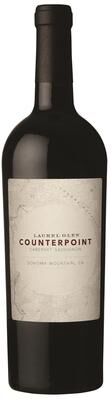
"""Laurel Glen Vineyard""" """Laurel Glen Vineyard Counterpoint Cabernet Sauvignon 2021 Red Wine - California""""""Aromatically compelling, the 2021 Laurel Glen Counterpoint bursts from the glass with fresh-picked blueberries, toffee, and cedarwood. Supple and finely textured, with layers of boysenberry preserves, ripe plum, cinnamon, and nutmeg. The wine has..."61,99 $*Shipping: 0,00 $Secure redirect to the provider
-
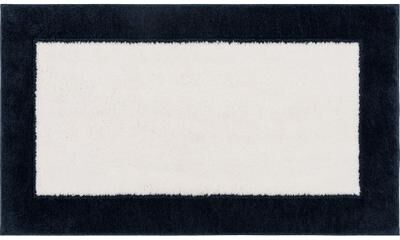
"Wide Width Counterpoint Bath Rug by Mohawk Home in Indigo White (Size 24"" W 40"" L)"Refresh the bath spaces around your home with this essential bath collection featuring a stylish wide bordered design. Fit for a spa, these plush bath rugs offer everyday durability, sumptuous softness, and exquisite style in a variety of versatile...45,99 $*Shipping: 13,98 $Secure redirect to the provider
-
Uplift Picks Newspaper Office Building Architecture Building Blocks Set Compatible With Major Brick Brands Newspaper Office Building Architecture Building Blocks Set Compatible With Major Brick BrandsBring creativity and architectural charm to life with this detailed building blocks set inspired by a modern newspaper office building. Designed for builders who enjoy thoughtful construction and displayworthy results, this set blends challenge with...141,00 $*Shipping: 0,00 $Secure redirect to the provider
-
Various 100 Little Knitted Gifts To Make (Architecture & Photography) - Non Fiction - PaperbackTitle:. 100 Little Knitted Gifts to Make (Architecture & Photography) Condition: BRAND NEW. Format: Paperback Overview:. 100 Little Knitted Gifts to Make (Architecture & Photography) is a charming invitation to turn everyday yarn into tiny treasures that celebrate design, detail, and direction. This paperback compendium gathers 100 quick, satisfying knitting patterns that produce thoughtful gifts you can finish in a weekend or even a single rainy afternoon. Each project is carefully scaled for charm rather than complexity, from miniature cushions and keychain ornaments to study-worthy desk ornaments and micro camera straps that nod to architectural lines and cityscapes. The Architecture & Photography framing is not merely a theme—it informs pattern shapes, color palettes, and finishing touches, so every finished piece feels cohesive with a modern, design-forward aesthetic. Expect clear, concise instructions, gauge guidance, suggested yarn ranges, and step-by-step photos that make planning your project straightforward. The book also offers practical tips on choosing materials, customizing colors, and packaging gifts so your handcrafted knits arrive ready to amaze. Small in size, big in impact, these 100 projects are ideal for gift-givers, hobby knitters seeking quick wins, and anyone who loves the idea of a handmade, photo-inspired keepsake. What Makes This Book Stand Out:. Where many knitting manuals focus on large projects, this book leans into small, highly shareable makes that look impressive yet knit quickly. Architecture & Photography as a motif invites pattern designers to explore geometric shapes, arches, silhouettes, and repeating motifs that echo skylines and stairwells. The result is a cohesive collection where each project could sit on a bookshelf or desk next to a coffee-table shoot, and where gifts feel thoughtfully curated rather than improvised. The approachable techniques ensure beginners can complete a project confidently, while seasoned knitters will enjoy the challenge of colorwork or texture that captures a building's essence in miniature. The compact paperback format makes it a perfect on-the-go reference for travel or weekend retreats, and the clear, image-forward layout offers satisfying visual guidance. The 100 patterns also offer meaningful variety—functional items like coasters or organizers, plus charming decorative pieces that can be framed or displayed. This is more than a pattern book: it’s a tiny gallery of knitted architecture and photography-inspired ideas that are instantly giftable and endlessly shareable. Who This Book Is Perfect For:. This book is perfect for readers who love to give handmade gifts that feel carefully considered. It's ideal for beginner to intermediate knitters seeking quick, satisfying makes that build confidence fast. Architecture lovers, interior-design enthusiasts, and photography fans will appreciate the design-forward motifs and the way each project mirrors architectural lines. It’s also...99,99 £*Shipping: 0,00 £Secure redirect to the provider
-
What is counterpoint?
Counterpoint is a musical technique that involves the combination of two or more independent melodic lines. These lines are played or sung simultaneously and interact with each other harmonically and rhythmically. In counterpoint, each melodic line maintains its own individuality while also contributing to the overall musical texture. This technique is commonly used in classical music and can be found in various forms such as fugues, canons, and inventions. **
-
What is a counterpoint step?
A counterpoint step is a musical term that refers to a step in which two or more independent melodic lines are played simultaneously, creating a harmonious and contrapuntal texture. In counterpoint, each melodic line maintains its own unique rhythm and contour, while also interacting with the other lines to create a cohesive musical composition. This technique is commonly used in classical music and is a fundamental aspect of polyphonic music. **
-
How can one recognize counterpoint?
Counterpoint can be recognized by the simultaneous interweaving of independent melodic lines. It is characterized by the interaction of multiple voices, each with its own distinct melodic and rhythmic patterns. The voices in counterpoint often have equal importance and are treated as individual entities, creating a sense of harmonic and contrapuntal tension and resolution. Additionally, counterpoint often involves the use of imitation, where a melodic idea is echoed or repeated in a different voice. **
-
How do I write a counterpoint to a melody?
To write a counterpoint to a melody, you can start by analyzing the melody's rhythm, harmony, and overall structure. Then, you can create a new melody that complements the original one by using different rhythms, intervals, and harmonies. It's important to ensure that the counterpoint melody maintains its independence while also harmonizing with the original melody. Experiment with different melodic lines and intervals to create a balanced and harmonious counterpoint. **
Similar search terms for Counterpoint
-
The 50 Greatest Architects by Ike Ijeh - Arcturus Hardback - Non Fiction Architecture Book with Full-Colour PhotographyDiscover the visionaries behind the world's most iconic buildings with 'The 50 Greatest Architects' by Ike Ijeh. This richly illustrated hardback profiles fifty influential architects across centuries and continents, pairing concise biography with sharp architectural analysis. Full-colour photography brings each landmark to life, making this an ideal reference for students, professionals, and anyone fascinated by the built environment. Spanning ancient masters through to today's most celebrated contemporary names, the book surveys the careers and signature buildings of fifty individuals whose work has redefined how we live, work, and experience space. Written by award-winning architecture critic Ike Ijeh, this non-fiction guide is a handsome coffee-table title rewarding repeated browsing.9,99 £*Shipping: 2,99 £Secure redirect to the provider
-
Uplift Picks Chinese Garden Micro Building Blocks Set LED Suzhou Architecture Model 3988 Pcs With LightBring a peaceful and artistic scene to life with this beautifully detailed Chinese garden building blocks set. Inspired by traditional design, this Suzhou garden model lets you recreate a serene miniature landscape filled with charm and elegance....287,98 $*Shipping: 0,00 $Secure redirect to the provider
-
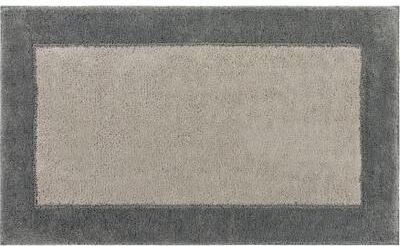
"Wide Width Counterpoint Bath Rug by Mohawk Home in Pewter Flint (Size 20"" W 34"" L)"Refresh the bath spaces around your home with this essential bath collection featuring a stylish wide bordered design. Fit for a spa, these plush bath rugs offer everyday durability, sumptuous softness, and exquisite style in a variety of versatile...52,00 $*Shipping: 13,98 $Secure redirect to the provider
-
"Wide Width Counterpoint Bath Rug by Mohawk Home in Black White (Size 17"" W 24"" L)"Refresh the bath spaces around your home with this essential bath collection featuring a stylish wide bordered design. Fit for a spa, these plush bath rugs offer everyday durability, sumptuous softness, and exquisite style in a variety of versatile...33,00 $*Shipping: 11,98 $Secure redirect to the provider
-
What is the difference between musical polyphony and counterpoint?
Musical polyphony refers to the simultaneous combination of two or more independent melodic lines, creating a texture where multiple voices are heard at the same time. Counterpoint, on the other hand, is the technique of writing music in which two or more melodic lines are interwoven and interact with each other. In other words, counterpoint is a specific method of creating polyphony, focusing on the relationship and interaction between the different melodic lines. While polyphony is a broader concept that encompasses any music with multiple independent voices, counterpoint specifically refers to the rules and techniques for writing and organizing those voices. **
-
What is the difference between interior architecture and interior design?
Interior architecture focuses on the structural and spatial elements of a space, including the layout, flow, and functionality. It involves designing and coordinating the interior structure of a building, such as walls, ceilings, and floors. On the other hand, interior design focuses on the aesthetics and decorative aspects of a space, including furniture, color schemes, and accessories. It involves creating a cohesive and visually appealing environment that reflects the client's needs and style preferences. While interior architecture deals with the physical structure of a space, interior design focuses on the visual and decorative elements. **
-
What is better, product design or interior architecture?
The answer to whether product design or interior architecture is better ultimately depends on personal interests and career goals. Product design involves creating tangible objects that serve a specific function, while interior architecture focuses on designing interior spaces that enhance the user experience. Both fields offer unique opportunities for creativity and innovation, so it is important to consider which aligns more with your passions and strengths. Ultimately, the decision between product design and interior architecture should be based on individual preferences and career aspirations. **
-
How can one study architecture or interior design?
One can study architecture or interior design by enrolling in a formal education program such as a bachelor's or master's degree in architecture or interior design at a university or college. These programs typically cover design principles, building technology, history of architecture, and practical skills such as drafting and computer-aided design. Additionally, gaining practical experience through internships or apprenticeships with established architects or designers can provide valuable hands-on learning opportunities. Networking with professionals in the field and attending workshops, conferences, and exhibitions can also help in expanding one's knowledge and skills in architecture or interior design. **
* All prices are inclusive of VAT and, if applicable, plus shipping costs. The offer information is based on the details provided by the respective shop and is updated through automated processes. Real-time updates do not occur, so deviations can occur in individual cases. ** Note: Parts of this content were created by AI.