Buy architekturfotografie.eu ?
We are moving the project
architekturfotografie.eu .
Are you interested in purchasing the domain
architekturfotografie.eu ?
domain@kv-gmbh.de · 0541-91531010
Buy architekturfotografie.eu ?
What is the definition of energy dose and equivalent dose?
Energy dose refers to the amount of energy deposited in a material by ionizing radiation. It is measured in units of joules per kilogram (J/kg) or gray (Gy). Equivalent dose, on the other hand, takes into account the different biological effects of different types of ionizing radiation. It is calculated by multiplying the energy dose by a quality factor that reflects the relative biological effectiveness of the specific type of radiation. Equivalent dose is measured in units of sieverts (Sv). **
What is the difference between energy dose and equivalent dose?
Energy dose refers to the amount of energy deposited in a material by ionizing radiation, typically measured in units of Gray (Gy). Equivalent dose, on the other hand, takes into account the different biological effects of different types of radiation and is measured in units of Sievert (Sv). Equivalent dose is calculated by multiplying the energy dose by a radiation weighting factor that reflects the relative biological effectiveness of the specific type of radiation. In summary, while energy dose measures the amount of energy deposited by radiation, equivalent dose takes into account the biological impact of that energy. **

Similar search terms for Dose
Top-Angebote
Products related to Dose:


-
What is the difference between interior architecture and interior design?
Interior architecture focuses on the structural and spatial elements of a space, including the layout, flow, and functionality. It involves designing and coordinating the interior structure of a building, such as walls, ceilings, and floors. On the other hand, interior design focuses on the aesthetics and decorative aspects of a space, including furniture, color schemes, and accessories. It involves creating a cohesive and visually appealing environment that reflects the client's needs and style preferences. While interior architecture deals with the physical structure of a space, interior design focuses on the visual and decorative elements. **
-
Is the dose dangerous?
Without specific information about the dose and the substance in question, it is difficult to determine if the dose is dangerous. However, in general, any dose of a toxic substance can be dangerous if it exceeds safe levels. It is important to consult a healthcare professional or poison control center if there is concern about the safety of a particular dose. **
-
What is better, product design or interior architecture?
The answer to whether product design or interior architecture is better ultimately depends on personal interests and career goals. Product design involves creating tangible objects that serve a specific function, while interior architecture focuses on designing interior spaces that enhance the user experience. Both fields offer unique opportunities for creativity and innovation, so it is important to consider which aligns more with your passions and strengths. Ultimately, the decision between product design and interior architecture should be based on individual preferences and career aspirations. **
-
How can one study architecture or interior design?
One can study architecture or interior design by enrolling in a formal education program such as a bachelor's or master's degree in architecture or interior design at a university or college. These programs typically cover design principles, building technology, history of architecture, and practical skills such as drafting and computer-aided design. Additionally, gaining practical experience through internships or apprenticeships with established architects or designers can provide valuable hands-on learning opportunities. Networking with professionals in the field and attending workshops, conferences, and exhibitions can also help in expanding one's knowledge and skills in architecture or interior design. **

Can someone explain to me the activity of equivalent dose and energy dose?
Equivalent dose and energy dose are both measures of the potential health effects of ionizing radiation. Equivalent dose takes into account the type of radiation and its potential to cause damage to human tissue, and is measured in sieverts (Sv). Energy dose, on the other hand, measures the amount of energy deposited by ionizing radiation in a given mass of tissue, and is typically measured in grays (Gy). In summary, equivalent dose considers the type of radiation and its potential harm, while energy dose measures the actual energy deposited in the tissue. **
What is the difference between interior design and architecture?
Interior design focuses on the aesthetic and functional aspects of the interior spaces within a building, including furniture, color schemes, and decor. It involves creating a cohesive and visually appealing environment that meets the needs and preferences of the occupants. On the other hand, architecture is the art and science of designing and constructing buildings and other physical structures. It encompasses the overall design, structural integrity, and functionality of the entire building, including the exterior and interior spaces. While interior design focuses on the interior environment, architecture encompasses the entire built environment. **
Top-Angebote
Products related to Dose:
-
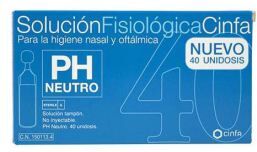
Cinfa Nasal Single-Dose Physiological Solution 40 Unit-DoseHealth and Beauty Respiratory Care Cinfa Nasal Single-Dose Physiological Solution 40 Unit-Dose Sterile saline solution, eye washes, nasal passage cleansing With pH neutral saline solution.6,50 £*Shipping: 3,99 £Secure redirect to the provider
-
Cationorom Cationorm Single Dose Dry Eye 30 Single DoseHealth and Beauty Visual Care Cationorom Cationorm Single Dose Dry Eye 30 Single Dose What is Cationorm Cationorm Single Dose Dry Eye 30 Single Dose? Cationorm Cationorm Single Dose Dry Eye 30 Single Doses is an advanced eye treatment designed to effectively relieve the symptoms of moderate to severe dry eye . This sterile single-dose ophthalmic product is preservative-free, making it safe for frequent use, even for people with sensitive eyes or contact lens wearers. Its unique formula, based on cationic emulsion technology, works by stabilizing the tear film, protecting the ocular surface, and reducing tear evaporation. Unlike other artificial tears, Cationorm offers prolonged hydration and long-lasting relief from eye discomfort. Who is Cationorm Cationorm Single Dose Dry Eye 30 Single Dose for? This product is indicated for: - People who suffer from chronic or occasional dry eyes , caused by environmental factors such as air conditioning, digital screens, wind or pollution. - Contact lens wearers who experience discomfort or irritation. - Patients with dry eye syndrome . - People in the postoperative period of eye surgery (after medical consultation). - Those looking for a preservative-free, gentle and effective alternative to care for their eyes daily. - Thanks to its single-dose presentation, it is ideal for those who need a practical, hygienic, and portable solution for daily eye care. How do I apply it? Using Cationorm Single Dose is simple and safe. Follow these steps: - Wash your hands thoroughly before handling the container. Take a single-dose and open it by twisting the top. - Tilt your head back slightly. - With one hand, gently lower your lower eyelid and, with the other, apply 1 or 2 drops to each eye . - Blink several times to distribute the product evenly. - Discard the container after use, even if there is product left inside. - It can be used 1 to 4 times a day, depending on the need or medical recommendation. Product use - Cationorm Single Dose Dry Eye Treatment is not just another artificial tear: it's an eye treatment designed to protect, hydrate, and restore the balance of the tear film. Its cationic emulsion technology allows for: - Immediate relief from symptoms such as itching, burning, redness or grittiness. - Improved visual quality , especially in dry environments or after long hours in front of screens. - Reduction of inflammation and cellular damage on the ocular surface. Continued use without risk of toxicity, thanks to its preservative-free formula. This product is also suitable for use in conjunction with other ophthalmic treatments, always respecting the recommended intervals between applications. Buy Cationorm Cationorm Single Dose Dry Eye 30 Single Doses If you're looking for an effective, safe, and long-lasting solution for dry eyes, Cationorm Cationorm Dry Eye Single Dose 30 Single Doses is the best choice. Its convenient format, advanced technology, and preservative-free formula make it the ideal ally for...14,17 £*Shipping: 3,99 £Secure redirect to the provider
-
What is the definition of energy dose and equivalent dose?
Energy dose refers to the amount of energy deposited in a material by ionizing radiation. It is measured in units of joules per kilogram (J/kg) or gray (Gy). Equivalent dose, on the other hand, takes into account the different biological effects of different types of ionizing radiation. It is calculated by multiplying the energy dose by a quality factor that reflects the relative biological effectiveness of the specific type of radiation. Equivalent dose is measured in units of sieverts (Sv). **
-
What is the difference between energy dose and equivalent dose?
Energy dose refers to the amount of energy deposited in a material by ionizing radiation, typically measured in units of Gray (Gy). Equivalent dose, on the other hand, takes into account the different biological effects of different types of radiation and is measured in units of Sievert (Sv). Equivalent dose is calculated by multiplying the energy dose by a radiation weighting factor that reflects the relative biological effectiveness of the specific type of radiation. In summary, while energy dose measures the amount of energy deposited by radiation, equivalent dose takes into account the biological impact of that energy. **
-
What is the difference between interior architecture and interior design?
Interior architecture focuses on the structural and spatial elements of a space, including the layout, flow, and functionality. It involves designing and coordinating the interior structure of a building, such as walls, ceilings, and floors. On the other hand, interior design focuses on the aesthetics and decorative aspects of a space, including furniture, color schemes, and accessories. It involves creating a cohesive and visually appealing environment that reflects the client's needs and style preferences. While interior architecture deals with the physical structure of a space, interior design focuses on the visual and decorative elements. **
-
Is the dose dangerous?
Without specific information about the dose and the substance in question, it is difficult to determine if the dose is dangerous. However, in general, any dose of a toxic substance can be dangerous if it exceeds safe levels. It is important to consult a healthcare professional or poison control center if there is concern about the safety of a particular dose. **
Similar search terms for Dose
-
What is better, product design or interior architecture?
The answer to whether product design or interior architecture is better ultimately depends on personal interests and career goals. Product design involves creating tangible objects that serve a specific function, while interior architecture focuses on designing interior spaces that enhance the user experience. Both fields offer unique opportunities for creativity and innovation, so it is important to consider which aligns more with your passions and strengths. Ultimately, the decision between product design and interior architecture should be based on individual preferences and career aspirations. **
-
How can one study architecture or interior design?
One can study architecture or interior design by enrolling in a formal education program such as a bachelor's or master's degree in architecture or interior design at a university or college. These programs typically cover design principles, building technology, history of architecture, and practical skills such as drafting and computer-aided design. Additionally, gaining practical experience through internships or apprenticeships with established architects or designers can provide valuable hands-on learning opportunities. Networking with professionals in the field and attending workshops, conferences, and exhibitions can also help in expanding one's knowledge and skills in architecture or interior design. **
-
Can someone explain to me the activity of equivalent dose and energy dose?
Equivalent dose and energy dose are both measures of the potential health effects of ionizing radiation. Equivalent dose takes into account the type of radiation and its potential to cause damage to human tissue, and is measured in sieverts (Sv). Energy dose, on the other hand, measures the amount of energy deposited by ionizing radiation in a given mass of tissue, and is typically measured in grays (Gy). In summary, equivalent dose considers the type of radiation and its potential harm, while energy dose measures the actual energy deposited in the tissue. **
-
What is the difference between interior design and architecture?
Interior design focuses on the aesthetic and functional aspects of the interior spaces within a building, including furniture, color schemes, and decor. It involves creating a cohesive and visually appealing environment that meets the needs and preferences of the occupants. On the other hand, architecture is the art and science of designing and constructing buildings and other physical structures. It encompasses the overall design, structural integrity, and functionality of the entire building, including the exterior and interior spaces. While interior design focuses on the interior environment, architecture encompasses the entire built environment. **
* All prices are inclusive of VAT and, if applicable, plus shipping costs. The offer information is based on the details provided by the respective shop and is updated through automated processes. Real-time updates do not occur, so deviations can occur in individual cases. ** Note: Parts of this content were created by AI.