Buy architekturfotografie.eu ?
We are moving the project
architekturfotografie.eu .
Are you interested in purchasing the domain
architekturfotografie.eu ?
domain@kv-gmbh.de · 0541-91531010
Buy architekturfotografie.eu ?
What causes the coolant smell in the interior?
The coolant smell in the interior of a car is usually caused by a leak in the vehicle's cooling system. This leak can be due to a damaged hose, radiator, heater core, or other components of the cooling system. When the coolant leaks, it can evaporate and create a distinct sweet smell that is noticeable inside the car. It is important to address this issue promptly, as driving with a coolant leak can lead to engine overheating and potential damage. **
What is the difference between interior architecture and interior design?
Interior architecture focuses on the structural and spatial elements of a space, including the layout, flow, and functionality. It involves designing and coordinating the interior structure of a building, such as walls, ceilings, and floors. On the other hand, interior design focuses on the aesthetics and decorative aspects of a space, including furniture, color schemes, and accessories. It involves creating a cohesive and visually appealing environment that reflects the client's needs and style preferences. While interior architecture deals with the physical structure of a space, interior design focuses on the visual and decorative elements. **


Similar search terms for MAXGEAR-28-0691-Holder-coolant
Top-Angebote
Products related to MAXGEAR-28-0691-Holder-coolant:
-
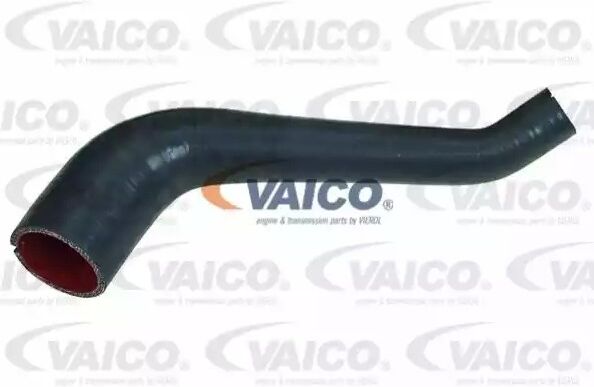
VAICO V42-0691 Windscreen wiper armSupplementary Article / Supplementary Info Info 2: with cap; Material: PBT, GRP (Glass fibre Reinforced Plastic); Paired product: V42-0690; Fitting Position: Rear; Weight [kg]: 0,08; Packaging width [cm]: 5,5; Packaging height [cm]: 4; Packaging Depth [cm]: 30; Supplementary Info: Original VAICO Quality18,49 £*Shipping: 8,45 £Secure redirect to the provider
-
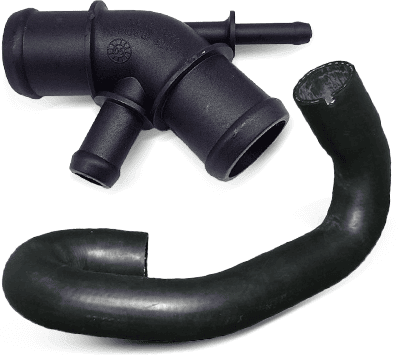
MAXGEAR 18-0813 Coolant Flangefor OE number: 1K0 122 291 C; Outer Diameter [mm]: 20; Outer Diameter 1 [mm]: 8; Inner Diameter 1 [mm]: 4; Weight [kg]: 0,031; TecDoc Engine Number: 24313, 17500, 20795, 16871, 20712, 20711, 17025, 17027, 16872, 17404, 18201, 18199, 18200, 17405, 17450, 19199, 22666, 22663, 22170, 17080, 20394, 20393, 17986, 18222, 20780, 18223, 18469, 18468, 18134, 18472, 18540, 18541, 20732, 18883, 16862, 22172, 20797, 20190, 24838, 22542, 20855, 18245, 20710, 18246, 24964, 20733, 22452, 20734, 26573, 19902, 19901, 24325, 19427, 23136, 20522, 20521, 21734, 22634, 22640, 30931; for PR number: 9M0, 9M5, 9AA; Vehicle Equipment: for vehicles with electr. auxiliary heater, for vehicles without electr. auxiliary heater, for vehicles without air conditioning; Vehicle Identification Number (VIN) from: 3C-9-000001, 1P-B-000001; Construction Year from: 11/2008, 12/2009, 05/2013; Construction Year to: 11/2009; Vehicle Identification Number (VIN) to: 1K-7-299000; Transmission Type: Manual Transmission5,29 £*Shipping: 8,45 £Secure redirect to the provider


-
What is better, product design or interior architecture?
The answer to whether product design or interior architecture is better ultimately depends on personal interests and career goals. Product design involves creating tangible objects that serve a specific function, while interior architecture focuses on designing interior spaces that enhance the user experience. Both fields offer unique opportunities for creativity and innovation, so it is important to consider which aligns more with your passions and strengths. Ultimately, the decision between product design and interior architecture should be based on individual preferences and career aspirations. **
-
How can one study architecture or interior design?
One can study architecture or interior design by enrolling in a formal education program such as a bachelor's or master's degree in architecture or interior design at a university or college. These programs typically cover design principles, building technology, history of architecture, and practical skills such as drafting and computer-aided design. Additionally, gaining practical experience through internships or apprenticeships with established architects or designers can provide valuable hands-on learning opportunities. Networking with professionals in the field and attending workshops, conferences, and exhibitions can also help in expanding one's knowledge and skills in architecture or interior design. **
-
What is coolant?
Coolant is a liquid or gas substance used to regulate the temperature of a system, typically an engine or machinery. It is designed to absorb and transfer heat away from the system to prevent overheating and maintain optimal operating conditions. Coolant is commonly a mixture of water and antifreeze, which helps to prevent freezing in cold temperatures and corrosion within the system. It is an essential component in maintaining the efficiency and longevity of various mechanical systems. **
-
What is the difference between interior design and architecture?
Interior design focuses on the aesthetic and functional aspects of the interior spaces within a building, including furniture, color schemes, and decor. It involves creating a cohesive and visually appealing environment that meets the needs and preferences of the occupants. On the other hand, architecture is the art and science of designing and constructing buildings and other physical structures. It encompasses the overall design, structural integrity, and functionality of the entire building, including the exterior and interior spaces. While interior design focuses on the interior environment, architecture encompasses the entire built environment. **


How can one transition from interior design to architecture?
One can transition from interior design to architecture by pursuing further education and obtaining a degree in architecture. This will provide a deeper understanding of structural design, building systems, and construction methods. Additionally, gaining experience in architectural firms or working on architectural projects can help in making the transition. It is also important to develop a strong portfolio that showcases architectural design skills and knowledge. Networking with architects and seeking mentorship can also be beneficial in making the transition from interior design to architecture. **
Is photography sufficient as a portfolio for studying interior design?
Photography can be a valuable component of an interior design portfolio, as it allows students to showcase their ability to capture and present their design work. However, a comprehensive interior design portfolio should also include hand-drawn sketches, technical drawings, mood boards, and other visual representations of design concepts. These additional elements demonstrate a student's creativity, technical skills, and design process, which are important aspects of studying interior design. Therefore, while photography is important, it should be supplemented with a variety of other visual materials to create a well-rounded portfolio for studying interior design. **
Top-Angebote
Products related to MAXGEAR-28-0691-Holder-coolant:
-
VAICO V42-0691 Windscreen wiper armSupplementary Article / Supplementary Info Info 2: with cap; Material: PBT, GRP (Glass fibre Reinforced Plastic); Paired product: V42-0690; Fitting Position: Rear; Weight [kg]: 0,08; Packaging width [cm]: 5,5; Packaging height [cm]: 4; Packaging Depth [cm]: 30; Supplementary Info: Original VAICO Quality18,49 £*Shipping: 8,45 £Secure redirect to the provider
-
What causes the coolant smell in the interior?
The coolant smell in the interior of a car is usually caused by a leak in the vehicle's cooling system. This leak can be due to a damaged hose, radiator, heater core, or other components of the cooling system. When the coolant leaks, it can evaporate and create a distinct sweet smell that is noticeable inside the car. It is important to address this issue promptly, as driving with a coolant leak can lead to engine overheating and potential damage. **
-
What is the difference between interior architecture and interior design?
Interior architecture focuses on the structural and spatial elements of a space, including the layout, flow, and functionality. It involves designing and coordinating the interior structure of a building, such as walls, ceilings, and floors. On the other hand, interior design focuses on the aesthetics and decorative aspects of a space, including furniture, color schemes, and accessories. It involves creating a cohesive and visually appealing environment that reflects the client's needs and style preferences. While interior architecture deals with the physical structure of a space, interior design focuses on the visual and decorative elements. **
-
What is better, product design or interior architecture?
The answer to whether product design or interior architecture is better ultimately depends on personal interests and career goals. Product design involves creating tangible objects that serve a specific function, while interior architecture focuses on designing interior spaces that enhance the user experience. Both fields offer unique opportunities for creativity and innovation, so it is important to consider which aligns more with your passions and strengths. Ultimately, the decision between product design and interior architecture should be based on individual preferences and career aspirations. **
-
How can one study architecture or interior design?
One can study architecture or interior design by enrolling in a formal education program such as a bachelor's or master's degree in architecture or interior design at a university or college. These programs typically cover design principles, building technology, history of architecture, and practical skills such as drafting and computer-aided design. Additionally, gaining practical experience through internships or apprenticeships with established architects or designers can provide valuable hands-on learning opportunities. Networking with professionals in the field and attending workshops, conferences, and exhibitions can also help in expanding one's knowledge and skills in architecture or interior design. **
Similar search terms for MAXGEAR-28-0691-Holder-coolant
-
MAXGEAR 18-0813 Coolant Flangefor OE number: 1K0 122 291 C; Outer Diameter [mm]: 20; Outer Diameter 1 [mm]: 8; Inner Diameter 1 [mm]: 4; Weight [kg]: 0,031; TecDoc Engine Number: 24313, 17500, 20795, 16871, 20712, 20711, 17025, 17027, 16872, 17404, 18201, 18199, 18200, 17405, 17450, 19199, 22666, 22663, 22170, 17080, 20394, 20393, 17986, 18222, 20780, 18223, 18469, 18468, 18134, 18472, 18540, 18541, 20732, 18883, 16862, 22172, 20797, 20190, 24838, 22542, 20855, 18245, 20710, 18246, 24964, 20733, 22452, 20734, 26573, 19902, 19901, 24325, 19427, 23136, 20522, 20521, 21734, 22634, 22640, 30931; for PR number: 9M0, 9M5, 9AA; Vehicle Equipment: for vehicles with electr. auxiliary heater, for vehicles without electr. auxiliary heater, for vehicles without air conditioning; Vehicle Identification Number (VIN) from: 3C-9-000001, 1P-B-000001; Construction Year from: 11/2008, 12/2009, 05/2013; Construction Year to: 11/2009; Vehicle Identification Number (VIN) to: 1K-7-299000; Transmission Type: Manual Transmission5,29 £*Shipping: 8,45 £Secure redirect to the provider
-
MAXGEAR 18-0806 Coolant FlangeFitting Position: Radiator, Upper; Supplementary Article / Supplementary Info: with gasket/seal; Material: GRP (Glass fibre Reinforced Plastic); for OE number: 1K0 122 291A; Supplementary Article / Supplementary Info Info 2: with fastening clamp; Vehicle type: BLX, BLR5,29 £*Shipping: 8,45 £Secure redirect to the provider
-
What is coolant?
Coolant is a liquid or gas substance used to regulate the temperature of a system, typically an engine or machinery. It is designed to absorb and transfer heat away from the system to prevent overheating and maintain optimal operating conditions. Coolant is commonly a mixture of water and antifreeze, which helps to prevent freezing in cold temperatures and corrosion within the system. It is an essential component in maintaining the efficiency and longevity of various mechanical systems. **
-
What is the difference between interior design and architecture?
Interior design focuses on the aesthetic and functional aspects of the interior spaces within a building, including furniture, color schemes, and decor. It involves creating a cohesive and visually appealing environment that meets the needs and preferences of the occupants. On the other hand, architecture is the art and science of designing and constructing buildings and other physical structures. It encompasses the overall design, structural integrity, and functionality of the entire building, including the exterior and interior spaces. While interior design focuses on the interior environment, architecture encompasses the entire built environment. **
-
How can one transition from interior design to architecture?
One can transition from interior design to architecture by pursuing further education and obtaining a degree in architecture. This will provide a deeper understanding of structural design, building systems, and construction methods. Additionally, gaining experience in architectural firms or working on architectural projects can help in making the transition. It is also important to develop a strong portfolio that showcases architectural design skills and knowledge. Networking with architects and seeking mentorship can also be beneficial in making the transition from interior design to architecture. **
-
Is photography sufficient as a portfolio for studying interior design?
Photography can be a valuable component of an interior design portfolio, as it allows students to showcase their ability to capture and present their design work. However, a comprehensive interior design portfolio should also include hand-drawn sketches, technical drawings, mood boards, and other visual representations of design concepts. These additional elements demonstrate a student's creativity, technical skills, and design process, which are important aspects of studying interior design. Therefore, while photography is important, it should be supplemented with a variety of other visual materials to create a well-rounded portfolio for studying interior design. **
* All prices are inclusive of VAT and, if applicable, plus shipping costs. The offer information is based on the details provided by the respective shop and is updated through automated processes. Real-time updates do not occur, so deviations can occur in individual cases. ** Note: Parts of this content were created by AI.