Buy architekturfotografie.eu ?
We are moving the project
architekturfotografie.eu .
Are you interested in purchasing the domain
architekturfotografie.eu ?
domain@kv-gmbh.de · 0541-91531010
Buy architekturfotografie.eu ?
At what salinity is water drinkable?
Water is considered drinkable when it has a salinity level of less than 500 mg/L (milligrams per liter). This level of salinity is generally safe for human consumption and does not pose any health risks. Water with higher salinity levels may taste salty and can have a laxative effect if consumed in large quantities. **
At what salinity level is water drinkable?
Water is considered drinkable when it has a salinity level of less than 500 mg/L (milligrams per liter). This level of salinity is considered safe for human consumption and does not pose any health risks. Higher levels of salinity can make water taste salty and can have negative effects on the body if consumed in large quantities. **


Similar search terms for Salinity
Top-Angebote
Products related to Salinity:
-
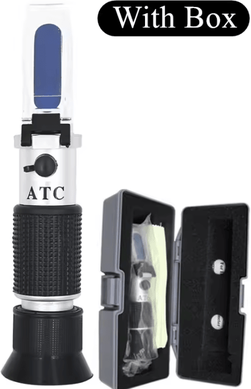
Inspire Curations Handheld Salinity Refractometer For Saltwater Aquariums with BoxMonitor saltwater conditions with confidence using this salinity refractometer designed for quick and convenient liquid testing. Its dualscale measurement allows users to check salinity from 0100 and specific gravity from 1.0001.070 SG, making...133,00 $*Shipping: 0,00 $Secure redirect to the provider
-
PRiME Digital Water Quality Tester Pen PH TDS EC ORP Temp SG Salinity Meter Digital Water Quality Tester Pen PH TDS EC ORP Temp SG Salinity MeterEnsure accurate, reliable water testing with this 7 in 1 Digital LCD PHTDSECORPTEMPSGSalinity Water Quality Tester Meter Pen, designed for professionals and home users seeking comprehensive analysis of water quality across multiple environments....44,97 $*Shipping: 0,00 $Secure redirect to the provider
-
Inspire Curations 0 28% ATC Salinity Refractometer For Seawater And Saltwater Testing with BoxKeep salt levels under control with this salinity refractometer, designed for quick and convenient testing of seawater and saline solutions. Its 028% measurement range makes this saltwater concentration tester useful for aquariums, food preparation,...113,00 $*Shipping: 0,00 $Secure redirect to the provider
-
Uplift Picks Newspaper Office Building Architecture Building Blocks Set Compatible With Major Brick Brands Newspaper Office Building Architecture Building Blocks Set Compatible With Major Brick BrandsBring creativity and architectural charm to life with this detailed building blocks set inspired by a modern newspaper office building. Designed for builders who enjoy thoughtful construction and displayworthy results, this set blends challenge with...141,00 $*Shipping: 0,00 $Secure redirect to the provider


-
Why do oceans have different levels of salinity?
Oceans have different levels of salinity due to a variety of factors. One major factor is the amount of freshwater input from rivers, precipitation, and melting ice. Areas with high freshwater input tend to have lower salinity levels, while areas with high evaporation rates and limited freshwater input have higher salinity levels. Additionally, ocean currents can also play a role in distributing and mixing saltwater, leading to variations in salinity levels across different regions of the ocean. Finally, the temperature of the water can also affect salinity, as warmer water can hold more salt than colder water. **
-
What is the difference between interior architecture and interior design?
Interior architecture focuses on the structural and spatial elements of a space, including the layout, flow, and functionality. It involves designing and coordinating the interior structure of a building, such as walls, ceilings, and floors. On the other hand, interior design focuses on the aesthetics and decorative aspects of a space, including furniture, color schemes, and accessories. It involves creating a cohesive and visually appealing environment that reflects the client's needs and style preferences. While interior architecture deals with the physical structure of a space, interior design focuses on the visual and decorative elements. **
-
What is better, product design or interior architecture?
The answer to whether product design or interior architecture is better ultimately depends on personal interests and career goals. Product design involves creating tangible objects that serve a specific function, while interior architecture focuses on designing interior spaces that enhance the user experience. Both fields offer unique opportunities for creativity and innovation, so it is important to consider which aligns more with your passions and strengths. Ultimately, the decision between product design and interior architecture should be based on individual preferences and career aspirations. **
-
How can one study architecture or interior design?
One can study architecture or interior design by enrolling in a formal education program such as a bachelor's or master's degree in architecture or interior design at a university or college. These programs typically cover design principles, building technology, history of architecture, and practical skills such as drafting and computer-aided design. Additionally, gaining practical experience through internships or apprenticeships with established architects or designers can provide valuable hands-on learning opportunities. Networking with professionals in the field and attending workshops, conferences, and exhibitions can also help in expanding one's knowledge and skills in architecture or interior design. **


What is the difference between interior design and architecture?
Interior design focuses on the aesthetic and functional aspects of the interior spaces within a building, including furniture, color schemes, and decor. It involves creating a cohesive and visually appealing environment that meets the needs and preferences of the occupants. On the other hand, architecture is the art and science of designing and constructing buildings and other physical structures. It encompasses the overall design, structural integrity, and functionality of the entire building, including the exterior and interior spaces. While interior design focuses on the interior environment, architecture encompasses the entire built environment. **
How can one transition from interior design to architecture?
One can transition from interior design to architecture by pursuing further education and obtaining a degree in architecture. This will provide a deeper understanding of structural design, building systems, and construction methods. Additionally, gaining experience in architectural firms or working on architectural projects can help in making the transition. It is also important to develop a strong portfolio that showcases architectural design skills and knowledge. Networking with architects and seeking mentorship can also be beneficial in making the transition from interior design to architecture. **
Top-Angebote
Products related to Salinity:
-
Inspired Deals Salinity Refractometer With ATC Dual Scale Saltwater Specific Gravity Meter Salinity Refractometer With ATC Dual Scale Saltwater Specific Gravity MeterKeep salt levels confidently in check with a compact tool built for quick, dependable testing. The RZ118 saltwater salinity meter measures both NaCl concentration and specific gravity, making it practical for aquariums, marine applications, food...54,97 $*Shipping: 0,00 $Secure redirect to the provider
-
Uplift Essentials Handheld Aquarium Saltwater Salinity Refractometer with BoxMaintain precise salinity levels in marine environments with this salinity refractometer. Engineered specifically for saltwater aquariums, reef tanks, and marine aquaculture, this precision optical testing instrument measures salt concentrations...64,97 $*Shipping: 0,00 $Secure redirect to the provider
-
Inspire Curations Handheld Salinity Refractometer For Saltwater Aquariums with BoxMonitor saltwater conditions with confidence using this salinity refractometer designed for quick and convenient liquid testing. Its dualscale measurement allows users to check salinity from 0100 and specific gravity from 1.0001.070 SG, making...133,00 $*Shipping: 0,00 $Secure redirect to the provider
-
PRiME Digital Water Quality Tester Pen PH TDS EC ORP Temp SG Salinity Meter Digital Water Quality Tester Pen PH TDS EC ORP Temp SG Salinity MeterEnsure accurate, reliable water testing with this 7 in 1 Digital LCD PHTDSECORPTEMPSGSalinity Water Quality Tester Meter Pen, designed for professionals and home users seeking comprehensive analysis of water quality across multiple environments....44,97 $*Shipping: 0,00 $Secure redirect to the provider
-
At what salinity is water drinkable?
Water is considered drinkable when it has a salinity level of less than 500 mg/L (milligrams per liter). This level of salinity is generally safe for human consumption and does not pose any health risks. Water with higher salinity levels may taste salty and can have a laxative effect if consumed in large quantities. **
-
At what salinity level is water drinkable?
Water is considered drinkable when it has a salinity level of less than 500 mg/L (milligrams per liter). This level of salinity is considered safe for human consumption and does not pose any health risks. Higher levels of salinity can make water taste salty and can have negative effects on the body if consumed in large quantities. **
-
Why do oceans have different levels of salinity?
Oceans have different levels of salinity due to a variety of factors. One major factor is the amount of freshwater input from rivers, precipitation, and melting ice. Areas with high freshwater input tend to have lower salinity levels, while areas with high evaporation rates and limited freshwater input have higher salinity levels. Additionally, ocean currents can also play a role in distributing and mixing saltwater, leading to variations in salinity levels across different regions of the ocean. Finally, the temperature of the water can also affect salinity, as warmer water can hold more salt than colder water. **
-
What is the difference between interior architecture and interior design?
Interior architecture focuses on the structural and spatial elements of a space, including the layout, flow, and functionality. It involves designing and coordinating the interior structure of a building, such as walls, ceilings, and floors. On the other hand, interior design focuses on the aesthetics and decorative aspects of a space, including furniture, color schemes, and accessories. It involves creating a cohesive and visually appealing environment that reflects the client's needs and style preferences. While interior architecture deals with the physical structure of a space, interior design focuses on the visual and decorative elements. **
Similar search terms for Salinity
-
Inspire Curations 0 28% ATC Salinity Refractometer For Seawater And Saltwater Testing with BoxKeep salt levels under control with this salinity refractometer, designed for quick and convenient testing of seawater and saline solutions. Its 028% measurement range makes this saltwater concentration tester useful for aquariums, food preparation,...113,00 $*Shipping: 0,00 $Secure redirect to the provider
-
Uplift Picks Newspaper Office Building Architecture Building Blocks Set Compatible With Major Brick Brands Newspaper Office Building Architecture Building Blocks Set Compatible With Major Brick BrandsBring creativity and architectural charm to life with this detailed building blocks set inspired by a modern newspaper office building. Designed for builders who enjoy thoughtful construction and displayworthy results, this set blends challenge with...141,00 $*Shipping: 0,00 $Secure redirect to the provider
-
Inspire Curations 5 In 1 Digital Water Quality Tester PH TDS EC Salinity Meter without BacklightGet a clearer picture of your water quality with five essential measurements in one convenient device. This 5 in 1 water quality tester measures pH, TDS, EC, salinity, and temperature, reducing the need for multiple separate meters. The pH TDS EC...115,50 $*Shipping: 0,00 $Secure redirect to the provider
-
Uplift Essentials Handheld Aquarium Saltwater Salinity Refractometer without BoxMaintain precise salinity levels in marine environments with this salinity refractometer. Engineered specifically for saltwater aquariums, reef tanks, and marine aquaculture, this precision optical testing instrument measures salt concentrations...62,97 $*Shipping: 0,00 $Secure redirect to the provider
-
What is better, product design or interior architecture?
The answer to whether product design or interior architecture is better ultimately depends on personal interests and career goals. Product design involves creating tangible objects that serve a specific function, while interior architecture focuses on designing interior spaces that enhance the user experience. Both fields offer unique opportunities for creativity and innovation, so it is important to consider which aligns more with your passions and strengths. Ultimately, the decision between product design and interior architecture should be based on individual preferences and career aspirations. **
-
How can one study architecture or interior design?
One can study architecture or interior design by enrolling in a formal education program such as a bachelor's or master's degree in architecture or interior design at a university or college. These programs typically cover design principles, building technology, history of architecture, and practical skills such as drafting and computer-aided design. Additionally, gaining practical experience through internships or apprenticeships with established architects or designers can provide valuable hands-on learning opportunities. Networking with professionals in the field and attending workshops, conferences, and exhibitions can also help in expanding one's knowledge and skills in architecture or interior design. **
-
What is the difference between interior design and architecture?
Interior design focuses on the aesthetic and functional aspects of the interior spaces within a building, including furniture, color schemes, and decor. It involves creating a cohesive and visually appealing environment that meets the needs and preferences of the occupants. On the other hand, architecture is the art and science of designing and constructing buildings and other physical structures. It encompasses the overall design, structural integrity, and functionality of the entire building, including the exterior and interior spaces. While interior design focuses on the interior environment, architecture encompasses the entire built environment. **
-
How can one transition from interior design to architecture?
One can transition from interior design to architecture by pursuing further education and obtaining a degree in architecture. This will provide a deeper understanding of structural design, building systems, and construction methods. Additionally, gaining experience in architectural firms or working on architectural projects can help in making the transition. It is also important to develop a strong portfolio that showcases architectural design skills and knowledge. Networking with architects and seeking mentorship can also be beneficial in making the transition from interior design to architecture. **
* All prices are inclusive of VAT and, if applicable, plus shipping costs. The offer information is based on the details provided by the respective shop and is updated through automated processes. Real-time updates do not occur, so deviations can occur in individual cases. ** Note: Parts of this content were created by AI.