Buy architekturfotografie.eu ?
We are moving the project
architekturfotografie.eu .
Are you interested in purchasing the domain
architekturfotografie.eu ?
domain@kv-gmbh.de · 0541-91531010
Buy architekturfotografie.eu ?
What is the TMS Compendium?
The TMS Compendium is a comprehensive reference guide that provides information on various topics related to transcranial magnetic stimulation (TMS). It includes detailed information on TMS technology, applications, research findings, and clinical guidelines. The compendium serves as a valuable resource for researchers, clinicians, and anyone interested in learning more about TMS and its potential uses in the field of neuroscience and mental health. It is regularly updated to include the latest developments and findings in the field of TMS. **
How long can the TMS compendium be used for?
The TMS (Transcranial Magnetic Stimulation) compendium can be used for an extended period of time, as long as it is properly maintained and updated with the latest research and guidelines. As new studies and advancements in TMS technology emerge, the compendium can continue to be a valuable resource for clinicians and researchers. However, it is important to periodically review and update the compendium to ensure that it remains relevant and accurate in the rapidly evolving field of TMS. **


Similar search terms for Search-Press-Compendium-of
Top-Angebote
Products related to Search-Press-Compendium-of:
-
Country Bumpkin Publications Search Press Classics: A-Z Of Stumpwork (A-Z Of Needlecraft) - Non Fiction - PaperbackTitle:. A-Z of Stumpwork (Search Press Classics) (A-Z of Needlecraft) Condition: BRAND NEW. Format: Paperback Overview:. A-Z of Stumpwork is a robust, design-forward handbook that invites both curiosity and serious study of raised embroidery. This edition, part of the Search Press Classics line, preserves the heritage of stumpwork—born in 17th-century England—and places it firmly in today’s creative world. The book gathers decades of expertise into a clear, friendly reference, ideal for crafters who want results as elegant as they are technically sound. Inside, you’ll find a structured progression from the quiet elegance of padded flowers to the dramatic impact of three‑dimensional creatures, ensuring beginners can grow confidently while experienced stitchers have a reliable reference at their fingertips. The guide features more than 400 high-quality photographs that illustrate each step, complemented by full-size patterns and vivid color images that make transfer and colour planning straightforward. The five sections cover transferring designs, stitch choices, surface decoration, 3D shaping, and finishing touches, with practical tips that demystify materials, tools, and technique. From basic running stitches to advanced padding, wirework, and beadwork, this book equips you to achieve professional, gallery-ready results. It’s the kind of reference you’ll often reach for, whether you’re starting a new stumpwork project or expanding your repertoire with contemporary interpretations of a historic craft. What Makes This Book Stand Out:. This is not a lightweight introduction; it’s a thorough, design-forward handbook that respects stumpwork’s historic roots while embracing modern aesthetics. The five-section structure makes it effortless to locate transfer methods, stitch choices, surface decoration, 3D shaping, and finishing touches, so you can build skills in a logical sequence. The 20 designs span a global spectrum—from lifelike florals to playful creatures—providing abundant inspiration for different projects and styles. Full-size patterns mean you can trace directly onto fabric without fuss, while generous colour photography guides colour planning and shading with confidence. Clear, step-by-step shots accompany every technique, supporting both practical execution and creative experimentation. The combination of depth, clarity, and stunning visuals makes A-Z of Stumpwork a trusted reference you’ll return to again and again for learning and inspiration. Who This Book Is Perfect For:. Ideal for embroidery enthusiasts at all levels, from curious beginners eager to try raised stitches to seasoned stumpwork practitioners seeking a dependable reference. It suits crafters who love historical needlecraft traditions as well as those drawn to contemporary, nature-inspired designs. Teachers and workshop leaders will value its structured approach to teaching raised embroidery, while gift buyers will find it an enduring, visually appealing needlecraft gift. If...99,99 £*Shipping: 0,00 £Secure redirect to the provider
-
Search Press Design For Jewellery Makers: Inspiration, Development And Creation - Non Fiction - PaperbackYou spend hours searching for ways to improve your jewellery making skills. Your best ideas often feel incomplete or too risky to pursue alone. This resource cuts through that uncertainty by focusing on the three vital stages of your practice. It targets Inspiration, Development, and Creation, giving you a structured pathway to follow. The content speaks directly to jewellery makers who want reliable results. You stop guessing and start progressing with purpose. The book grounds your creativity in actionable steps. You gain a clear method that supports every project from a fleeting thought to a wearable reality. Finding a strong initial concept is rarely instant. Many makers stare at empty pages while others produce finished sketches. This guide tackles that paralysis head-on. It teaches you how to capture sparks of interest before they fade. You learn to build habits that attract fresh ideas regularly. The text encourages you to observe shapes, textures, and colours in your daily life. You discover ways to collect references that fuel your imagination. Instead of relying on motivation, you develop a system that generates inspiration on command. A dedicated section helps you evaluate which ideas deserve deeper exploration. You filter out weak concepts early. This saves time and protects your energy for designs with genuine promise. You leave the book feeling equipped to break through every creative block. Once you select a promising idea, the next hurdle is bringing it into focus. Development bridges that gap. Your rough concept needs refinement to become a viable design. This phase pushes you to think critically about practical constraints. You examine proportions and balance to create harmony. The guide prompts you to consider how materials behave under pressure and stress. You learn to plan your construction sequence before touching a single tool. Iteration becomes a structured process rather than endless trial and error. You identify weak points and reinforce the structure logically. The book ensures your design accounts for weight and movement. Comfort remains central as you shape the form. You refine curves and connections to suit human interaction. Development transforms a vague notion into a robust blueprint that you can execute with confidence. Creation marks the moment theory meets action. A design exists until you bring it into the world. This book anchors you during the building process. It reinforces the importance of patience and precision. You receive guidance on maintaining focus when tasks grow repetitive. The text reminds you to stay aligned with your original vision. As you assemble components, you encounter surprises that require adaptability. The resource shows you how to adjust without losing direction. You troubleshoot common pitfalls as layers and metals come together. Methods for connecting elements are handled with care to preserve structural integrity. Finishing touches receive equal attention. You achieve clean...19,99 £*Shipping: 2,99 £Secure redirect to the provider
-
Search press Half Yard™ Gifts: Easy sewing projects using leftover pieces of fabric by Debbie ShoreAdd the personal touch and create bespoke sewn presents for any occasion! Half Yard Gifts is part of the best-selling series from sewing guru, Debbie Shore. It contains 22 projects to sew and give away, each made using less than half a yard of fabric.The book contains gifts for all your family and friends. The projects range from pincushions, bags and paperweights to aprons for budding chefs, kneeling pads for gardeners and tool belts for DIY-enthusiasts. The projects are made in a range of prints and styles and use a range of techniques: either follow each project closely, or adapt the size and fabric to suit the recipient. Debbie gives advice on how to customise the projects, so that you can create the perfect gift for your loved one. This book would be perfect if you are new to sewing and need some guidance with the basic techniques and key information, as Debbie’s friendly advice and clear step-by-step photography make it a doddle. It’s also packed with fresh ideas and designs that will inspire you even if you’ve been a keen sewer for many years and are looking for a way to use up your stash and create meaningful gifts that your loved ones will treasure.6,99 £*Shipping: 2,99 £Secure redirect to the provider
-
Gill Barron Compendium of Acrylic Painting Techniques - Non Fiction - PaperbackTitle:. Compendium of Acrylic Painting Techniques Condition: BRAND NEW. Format: Paperback Overview:. Step into a practical, hands-on guide to acrylic painting with Compendium of Acrylic Painting Techniques. This single-volume reference is designed for every painter—from curious beginners to seasoned experimenters—seeking reliable, money-saving advice and tangible results. Barron guides you through choosing and mixing colors with confidence, showing how a single set of tube colors can yield a vast array of effects, textures, and moods. The book also helps you be economical: learn how to make your own basic studio equipment, set up a functional workspace at home, and repurpose common household items to expand your palette without breaking the bank. For newcomers, processes are presented stage-by-stage, enabling steady progress; for more experienced artists, the book functions as a quick-access problem solver, letting you dip in for stubborn issues or new techniques. A standout feature is a dedicated section on developing your art and reaching a wider audience, full of professional tips to accelerate growth. Throughout, practical "Try it" and "Fix it" panels invite hands-on practice, helping you refine skills and avoid typical acrylic pitfalls. This is more than a manual—it's a trusted companion for daily painting practice. What Makes This Book Stand Out:. What makes Compendium of Acrylic Painting Techniques truly special is that it functions as a compact studio toolkit rather than a collection of isolated tips. Gill Barron’s approach blends clear, practical steps with deep understanding of materials, surfaces, and techniques. The book covers all major acrylic applications—brushwork, glazing, texture, layering, and mixed-media—organized in a sequence that mirrors how you’d actually paint, from ground to finish. The inclusion of "Try it" and "Fix it" panels provides built-in practice and real-time feedback, turning practice into measurable progress. Barron's professional background—murals, portraits, posters—lends credibility and practical insight you can apply to real-world painting projects and even public displays. Whether you’re pursuing a painterly calm, a bold abstract, or a refined portrait, this compact paperback is the reliable anchor in your acrylic journey. Who This Book Is Perfect For:. This book is ideal for beginners who want a solid, approachable entry into acrylic painting, as well as hobby painters looking to deepen technique without buying multiple reference titles. Students in art classes can use it as a practical course companion, while teachers and parents may appreciate the clear step-by-step structure for demonstrations. Gift buyers will find it a thoughtful, budget-friendly addition to a budding artist's bookshelf. The tone is friendly yet precise, with a strong emphasis on color basics, material choices, and safe studio habits. For BookTok fans and home-based learners, the book provides quick, repeatable techniques that...99,99 £*Shipping: 0,00 £Secure redirect to the provider


-
What is the difference between interior architecture and interior design?
Interior architecture focuses on the structural and spatial elements of a space, including the layout, flow, and functionality. It involves designing and coordinating the interior structure of a building, such as walls, ceilings, and floors. On the other hand, interior design focuses on the aesthetics and decorative aspects of a space, including furniture, color schemes, and accessories. It involves creating a cohesive and visually appealing environment that reflects the client's needs and style preferences. While interior architecture deals with the physical structure of a space, interior design focuses on the visual and decorative elements. **
-
Which course of study is better suited, architecture or interior design?
The choice between architecture and interior design depends on individual interests and career goals. Architecture focuses on the design and construction of buildings, including structural and technical aspects, while interior design focuses on creating functional and aesthetically pleasing interior spaces. If someone is more interested in the overall design and construction of buildings, architecture may be a better fit. However, if someone is more interested in creating interior spaces that are comfortable and visually appealing, interior design may be a better choice. Ultimately, both fields offer unique opportunities for creativity and professional growth. **
-
What is better, product design or interior architecture?
The answer to whether product design or interior architecture is better ultimately depends on personal interests and career goals. Product design involves creating tangible objects that serve a specific function, while interior architecture focuses on designing interior spaces that enhance the user experience. Both fields offer unique opportunities for creativity and innovation, so it is important to consider which aligns more with your passions and strengths. Ultimately, the decision between product design and interior architecture should be based on individual preferences and career aspirations. **
-
How can one study architecture or interior design?
One can study architecture or interior design by enrolling in a formal education program such as a bachelor's or master's degree in architecture or interior design at a university or college. These programs typically cover design principles, building technology, history of architecture, and practical skills such as drafting and computer-aided design. Additionally, gaining practical experience through internships or apprenticeships with established architects or designers can provide valuable hands-on learning opportunities. Networking with professionals in the field and attending workshops, conferences, and exhibitions can also help in expanding one's knowledge and skills in architecture or interior design. **

What is the difference between interior design and architecture?
Interior design focuses on the aesthetic and functional aspects of the interior spaces within a building, including furniture, color schemes, and decor. It involves creating a cohesive and visually appealing environment that meets the needs and preferences of the occupants. On the other hand, architecture is the art and science of designing and constructing buildings and other physical structures. It encompasses the overall design, structural integrity, and functionality of the entire building, including the exterior and interior spaces. While interior design focuses on the interior environment, architecture encompasses the entire built environment. **
How can one transition from interior design to architecture?
One can transition from interior design to architecture by pursuing further education and obtaining a degree in architecture. This will provide a deeper understanding of structural design, building systems, and construction methods. Additionally, gaining experience in architectural firms or working on architectural projects can help in making the transition. It is also important to develop a strong portfolio that showcases architectural design skills and knowledge. Networking with architects and seeking mentorship can also be beneficial in making the transition from interior design to architecture. **
Top-Angebote
Products related to Search-Press-Compendium-of:
-
Search Press Compendium of Acrylic Painting Techniques: 300 Tips, Techniques and Trade Secrets by Gill BarronAimed at all painters, from beginners to the more experienced, this book is packed with expert advice on all aspects of acrylic painting: what to do, and what not to do. Learn how to choose and mix colours, and create a multitude of effects using only one set of tubes. Discover how to make your own equipment, set up a "studio" space, and use household materials to save money.Beginners can follow processes stage-by-stage, while more experienced artists can dip in and out for help with specific problems. A unique section on how to develop your art and take it to a wider public is full of professional secrets which can bring you success much more quickly. "Try it" and "Fix it" panels placed throughout the book suggest ways of practising and developing new skills, and avoiding or correcting common painting errors.8,99 £*Shipping: 2,99 £Secure redirect to the provider
-
Studio Press Disney The Magic of Christmas: A Search and Find Activity BookCELEBRATE THE MAGIC OF CHRISTMAS WITH YOUR FAVOURITE DISNEY CHARACTERS! Join a host of Disney characters as you search for festive objects, making your way through magical kingdoms covered in snow and decorated for the holidays. With twelve scenes featuring favourite characters such as Lilo and Stitch, Belle, Cinderella, Mickey and Friends, Woody and Buzz and Mike and Sully, this fun-filled search and find book is perfect for sharing with the whole family this Christmas. Look out for festive objects including Christmas wreaths, lanterns, ornaments, gifts and more! Films included: 101 Dalmatians, Big Hero Six, Lilo & Stitch, Beauty and the Beast, Cinderella, The Little Mermaid, The Princess and the Frog, Sleeping Beauty, Snow White, Tangled, Mickey and Friends, The Incredibles, Toy Story and Monsters Inc.3,99 £*Shipping: 1,99 £Secure redirect to the provider
-
Country Bumpkin Publications Search Press Classics: A-Z Of Stumpwork (A-Z Of Needlecraft) - Non Fiction - PaperbackTitle:. A-Z of Stumpwork (Search Press Classics) (A-Z of Needlecraft) Condition: BRAND NEW. Format: Paperback Overview:. A-Z of Stumpwork is a robust, design-forward handbook that invites both curiosity and serious study of raised embroidery. This edition, part of the Search Press Classics line, preserves the heritage of stumpwork—born in 17th-century England—and places it firmly in today’s creative world. The book gathers decades of expertise into a clear, friendly reference, ideal for crafters who want results as elegant as they are technically sound. Inside, you’ll find a structured progression from the quiet elegance of padded flowers to the dramatic impact of three‑dimensional creatures, ensuring beginners can grow confidently while experienced stitchers have a reliable reference at their fingertips. The guide features more than 400 high-quality photographs that illustrate each step, complemented by full-size patterns and vivid color images that make transfer and colour planning straightforward. The five sections cover transferring designs, stitch choices, surface decoration, 3D shaping, and finishing touches, with practical tips that demystify materials, tools, and technique. From basic running stitches to advanced padding, wirework, and beadwork, this book equips you to achieve professional, gallery-ready results. It’s the kind of reference you’ll often reach for, whether you’re starting a new stumpwork project or expanding your repertoire with contemporary interpretations of a historic craft. What Makes This Book Stand Out:. This is not a lightweight introduction; it’s a thorough, design-forward handbook that respects stumpwork’s historic roots while embracing modern aesthetics. The five-section structure makes it effortless to locate transfer methods, stitch choices, surface decoration, 3D shaping, and finishing touches, so you can build skills in a logical sequence. The 20 designs span a global spectrum—from lifelike florals to playful creatures—providing abundant inspiration for different projects and styles. Full-size patterns mean you can trace directly onto fabric without fuss, while generous colour photography guides colour planning and shading with confidence. Clear, step-by-step shots accompany every technique, supporting both practical execution and creative experimentation. The combination of depth, clarity, and stunning visuals makes A-Z of Stumpwork a trusted reference you’ll return to again and again for learning and inspiration. Who This Book Is Perfect For:. Ideal for embroidery enthusiasts at all levels, from curious beginners eager to try raised stitches to seasoned stumpwork practitioners seeking a dependable reference. It suits crafters who love historical needlecraft traditions as well as those drawn to contemporary, nature-inspired designs. Teachers and workshop leaders will value its structured approach to teaching raised embroidery, while gift buyers will find it an enduring, visually appealing needlecraft gift. If...99,99 £*Shipping: 0,00 £Secure redirect to the provider
-
Search Press Design For Jewellery Makers: Inspiration, Development And Creation - Non Fiction - PaperbackYou spend hours searching for ways to improve your jewellery making skills. Your best ideas often feel incomplete or too risky to pursue alone. This resource cuts through that uncertainty by focusing on the three vital stages of your practice. It targets Inspiration, Development, and Creation, giving you a structured pathway to follow. The content speaks directly to jewellery makers who want reliable results. You stop guessing and start progressing with purpose. The book grounds your creativity in actionable steps. You gain a clear method that supports every project from a fleeting thought to a wearable reality. Finding a strong initial concept is rarely instant. Many makers stare at empty pages while others produce finished sketches. This guide tackles that paralysis head-on. It teaches you how to capture sparks of interest before they fade. You learn to build habits that attract fresh ideas regularly. The text encourages you to observe shapes, textures, and colours in your daily life. You discover ways to collect references that fuel your imagination. Instead of relying on motivation, you develop a system that generates inspiration on command. A dedicated section helps you evaluate which ideas deserve deeper exploration. You filter out weak concepts early. This saves time and protects your energy for designs with genuine promise. You leave the book feeling equipped to break through every creative block. Once you select a promising idea, the next hurdle is bringing it into focus. Development bridges that gap. Your rough concept needs refinement to become a viable design. This phase pushes you to think critically about practical constraints. You examine proportions and balance to create harmony. The guide prompts you to consider how materials behave under pressure and stress. You learn to plan your construction sequence before touching a single tool. Iteration becomes a structured process rather than endless trial and error. You identify weak points and reinforce the structure logically. The book ensures your design accounts for weight and movement. Comfort remains central as you shape the form. You refine curves and connections to suit human interaction. Development transforms a vague notion into a robust blueprint that you can execute with confidence. Creation marks the moment theory meets action. A design exists until you bring it into the world. This book anchors you during the building process. It reinforces the importance of patience and precision. You receive guidance on maintaining focus when tasks grow repetitive. The text reminds you to stay aligned with your original vision. As you assemble components, you encounter surprises that require adaptability. The resource shows you how to adjust without losing direction. You troubleshoot common pitfalls as layers and metals come together. Methods for connecting elements are handled with care to preserve structural integrity. Finishing touches receive equal attention. You achieve clean...19,99 £*Shipping: 2,99 £Secure redirect to the provider
-
What is the TMS Compendium?
The TMS Compendium is a comprehensive reference guide that provides information on various topics related to transcranial magnetic stimulation (TMS). It includes detailed information on TMS technology, applications, research findings, and clinical guidelines. The compendium serves as a valuable resource for researchers, clinicians, and anyone interested in learning more about TMS and its potential uses in the field of neuroscience and mental health. It is regularly updated to include the latest developments and findings in the field of TMS. **
-
How long can the TMS compendium be used for?
The TMS (Transcranial Magnetic Stimulation) compendium can be used for an extended period of time, as long as it is properly maintained and updated with the latest research and guidelines. As new studies and advancements in TMS technology emerge, the compendium can continue to be a valuable resource for clinicians and researchers. However, it is important to periodically review and update the compendium to ensure that it remains relevant and accurate in the rapidly evolving field of TMS. **
-
What is the difference between interior architecture and interior design?
Interior architecture focuses on the structural and spatial elements of a space, including the layout, flow, and functionality. It involves designing and coordinating the interior structure of a building, such as walls, ceilings, and floors. On the other hand, interior design focuses on the aesthetics and decorative aspects of a space, including furniture, color schemes, and accessories. It involves creating a cohesive and visually appealing environment that reflects the client's needs and style preferences. While interior architecture deals with the physical structure of a space, interior design focuses on the visual and decorative elements. **
-
Which course of study is better suited, architecture or interior design?
The choice between architecture and interior design depends on individual interests and career goals. Architecture focuses on the design and construction of buildings, including structural and technical aspects, while interior design focuses on creating functional and aesthetically pleasing interior spaces. If someone is more interested in the overall design and construction of buildings, architecture may be a better fit. However, if someone is more interested in creating interior spaces that are comfortable and visually appealing, interior design may be a better choice. Ultimately, both fields offer unique opportunities for creativity and professional growth. **
Similar search terms for Search-Press-Compendium-of
-
Search press Half Yard™ Gifts: Easy sewing projects using leftover pieces of fabric by Debbie ShoreAdd the personal touch and create bespoke sewn presents for any occasion! Half Yard Gifts is part of the best-selling series from sewing guru, Debbie Shore. It contains 22 projects to sew and give away, each made using less than half a yard of fabric.The book contains gifts for all your family and friends. The projects range from pincushions, bags and paperweights to aprons for budding chefs, kneeling pads for gardeners and tool belts for DIY-enthusiasts. The projects are made in a range of prints and styles and use a range of techniques: either follow each project closely, or adapt the size and fabric to suit the recipient. Debbie gives advice on how to customise the projects, so that you can create the perfect gift for your loved one. This book would be perfect if you are new to sewing and need some guidance with the basic techniques and key information, as Debbie’s friendly advice and clear step-by-step photography make it a doddle. It’s also packed with fresh ideas and designs that will inspire you even if you’ve been a keen sewer for many years and are looking for a way to use up your stash and create meaningful gifts that your loved ones will treasure.6,99 £*Shipping: 2,99 £Secure redirect to the provider
-
Gill Barron Compendium of Acrylic Painting Techniques - Non Fiction - PaperbackTitle:. Compendium of Acrylic Painting Techniques Condition: BRAND NEW. Format: Paperback Overview:. Step into a practical, hands-on guide to acrylic painting with Compendium of Acrylic Painting Techniques. This single-volume reference is designed for every painter—from curious beginners to seasoned experimenters—seeking reliable, money-saving advice and tangible results. Barron guides you through choosing and mixing colors with confidence, showing how a single set of tube colors can yield a vast array of effects, textures, and moods. The book also helps you be economical: learn how to make your own basic studio equipment, set up a functional workspace at home, and repurpose common household items to expand your palette without breaking the bank. For newcomers, processes are presented stage-by-stage, enabling steady progress; for more experienced artists, the book functions as a quick-access problem solver, letting you dip in for stubborn issues or new techniques. A standout feature is a dedicated section on developing your art and reaching a wider audience, full of professional tips to accelerate growth. Throughout, practical "Try it" and "Fix it" panels invite hands-on practice, helping you refine skills and avoid typical acrylic pitfalls. This is more than a manual—it's a trusted companion for daily painting practice. What Makes This Book Stand Out:. What makes Compendium of Acrylic Painting Techniques truly special is that it functions as a compact studio toolkit rather than a collection of isolated tips. Gill Barron’s approach blends clear, practical steps with deep understanding of materials, surfaces, and techniques. The book covers all major acrylic applications—brushwork, glazing, texture, layering, and mixed-media—organized in a sequence that mirrors how you’d actually paint, from ground to finish. The inclusion of "Try it" and "Fix it" panels provides built-in practice and real-time feedback, turning practice into measurable progress. Barron's professional background—murals, portraits, posters—lends credibility and practical insight you can apply to real-world painting projects and even public displays. Whether you’re pursuing a painterly calm, a bold abstract, or a refined portrait, this compact paperback is the reliable anchor in your acrylic journey. Who This Book Is Perfect For:. This book is ideal for beginners who want a solid, approachable entry into acrylic painting, as well as hobby painters looking to deepen technique without buying multiple reference titles. Students in art classes can use it as a practical course companion, while teachers and parents may appreciate the clear step-by-step structure for demonstrations. Gift buyers will find it a thoughtful, budget-friendly addition to a budding artist's bookshelf. The tone is friendly yet precise, with a strong emphasis on color basics, material choices, and safe studio habits. For BookTok fans and home-based learners, the book provides quick, repeatable techniques that...99,99 £*Shipping: 0,00 £Secure redirect to the provider
-
Country Bumpkin Publications Search Press Classics A-Z of Embroidered Motifs: Over 120 Bullion Designs - Non Fiction - PaperbackTitle:. A-Z of Embroidered Motifs (Search Press Classics) (A-Z of Needlecraft) Condition: BRAND NEW. Format: Paperback Overview:. Discover a compact treasure trove for embroidery lovers with this Search Press Classics edition, reborn for today’s stitchers. A-Z of Embroidered Motifs gathers more than 120 bullion designs, each presented as a miniature work of art ready to spark creativity. Within a single, beautifully laid out volume you’ll find motifs ranging from playful clowns and sailing airships to roses and lavender—an inviting spectrum of whimsy, nature, and everyday charm. Paired with 146 step-by-step photographs, the book offers practical hints and expert articles that bridge technique and imagination. The motifs are designed to be mixed and matched in sampler panels, accessories, or bespoke gifts, giving you a flexible toolkit for creative expression. The guide emphasizes clarity: straightforward instructions, crisp diagrams, and tips that demystify bullion knots and related stitches, so you can translate each design onto linen, cotton, or your chosen fabric with consistent results. This is more than a reference book; it’s a practical embroidery toolkit you’ll return to again and again. What Makes This Book Stand Out:. What makes A-Z of Embroidered Motifs truly special is its focused, book-length collection of bullion embroidery in one accessible volume. It offers more than patterns—it delivers a complete workflow: a diverse catalogue of motifs, generously illustrated with step-by-step photographs, and expert commentary that clarifies technique and design decisions. The emphasis on bullion knots, paired with companion stitches and texture-building tips, enables dramatic, high-relief motifs that feel almost sculptural in thread. The inclusion of concise expert notes within each motif section invites deeper learning, while the clean layout and practical hints keep the process enjoyable rather than intimidating. Together, these elements make it ideal for rapid inspiration, precise project planning, and long-term skill-building. Who This Book Is Perfect For:. This title is a perfect companion for experienced embroidery lovers seeking fresh bullion designs and for motivated beginners ready to master bullion knots. It suits crafters who delight in decorative motifs, stitchers building a repertoire for sampler projects, and hobbyists looking to elevate textiles with tactile detail. Teachers and workshop leaders will appreciate the clear, demonstrative photographs that anchor demonstrations, while gift buyers will value a curated reference that can spark creativity for years. If you love needlecraft, bullion embroidery, or the broader world of A-Z needlework, this book will become a trusted go-to resource in your craft library. Key Highlights:. Over 120 bullion designs. 146 step-by-step photographs. Clear diagrams and practical, beginner-friendly tips. Focused guidance on bullion knots and texture-building stitches. Motifs range from whimsical to...99,99 £*Shipping: 0,00 £Secure redirect to the provider
-
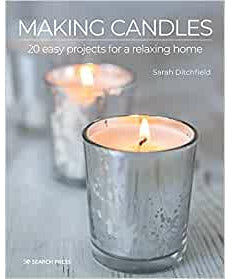
Search Press Making Candles : 20 Easy Projects for a Relaxing HomeLearn how to make beautiful, bespoke candles for you and your home in this easy-to-follow guide. Sarah Ditchfield, founder of Candle by Events, shares her secrets for crafting 20 of her best-selling candle designs, so that you too can make both modern and traditional waxed creations at home - from elegantly simple taper candles to show-stopping ice pillars. Invaluable advice is included on the essential materials and tools you'll need to get started, along with handy measuring and heating charts.Every candle project is accompanied by simple instructions, step-by-step photographs and a gorgeous finished picture. There's even a chapter on how to decorate and package your candles if you'd like to give them away as thoughtful, hand-crafted gifts. If you are looking for a craft that you can truly immerse yourself in, and one that's perfect for the beginner candlemaker looking for professional results, this is the book for you.7,99 £*Shipping: 2,99 £Secure redirect to the provider
-
What is better, product design or interior architecture?
The answer to whether product design or interior architecture is better ultimately depends on personal interests and career goals. Product design involves creating tangible objects that serve a specific function, while interior architecture focuses on designing interior spaces that enhance the user experience. Both fields offer unique opportunities for creativity and innovation, so it is important to consider which aligns more with your passions and strengths. Ultimately, the decision between product design and interior architecture should be based on individual preferences and career aspirations. **
-
How can one study architecture or interior design?
One can study architecture or interior design by enrolling in a formal education program such as a bachelor's or master's degree in architecture or interior design at a university or college. These programs typically cover design principles, building technology, history of architecture, and practical skills such as drafting and computer-aided design. Additionally, gaining practical experience through internships or apprenticeships with established architects or designers can provide valuable hands-on learning opportunities. Networking with professionals in the field and attending workshops, conferences, and exhibitions can also help in expanding one's knowledge and skills in architecture or interior design. **
-
What is the difference between interior design and architecture?
Interior design focuses on the aesthetic and functional aspects of the interior spaces within a building, including furniture, color schemes, and decor. It involves creating a cohesive and visually appealing environment that meets the needs and preferences of the occupants. On the other hand, architecture is the art and science of designing and constructing buildings and other physical structures. It encompasses the overall design, structural integrity, and functionality of the entire building, including the exterior and interior spaces. While interior design focuses on the interior environment, architecture encompasses the entire built environment. **
-
How can one transition from interior design to architecture?
One can transition from interior design to architecture by pursuing further education and obtaining a degree in architecture. This will provide a deeper understanding of structural design, building systems, and construction methods. Additionally, gaining experience in architectural firms or working on architectural projects can help in making the transition. It is also important to develop a strong portfolio that showcases architectural design skills and knowledge. Networking with architects and seeking mentorship can also be beneficial in making the transition from interior design to architecture. **
* All prices are inclusive of VAT and, if applicable, plus shipping costs. The offer information is based on the details provided by the respective shop and is updated through automated processes. Real-time updates do not occur, so deviations can occur in individual cases. ** Note: Parts of this content were created by AI.